

En esta publicación
¿Está buscando aprender más sobre el rol y las responsabilidades de un gerente de proyectos de localización?
Si es así, has venido al lugar correcto porque esta publicación de blog es exactamente lo que estabas buscando. Sigue leyendo para saber más.
En pocas palabras…
Un gestor de proyectos de localización es la persona encargada de ejecutar tu estrategia de localización en un nuevo mercado extranjero. Supervisan todo el proceso, desde la planificación hasta la implementación, la optimización y la medición de los resultados.
En otras palabras, dirigen el equipo de localización y coordinan a la perfección a los creadores de contenidos, desarrolladores, editores, expertos lingüísticos, traductores y demás partes implicadas para alcanzar tu objetivo. Que, en este caso, es una localización eficaz.
Por lo general, las personas que tienen éxito en este puesto cuentan con formación en gestión de proyectos y experiencia en localización y en el trabajo con equipos multifuncionales.
Y es un papel bastante importante para cualquier empresa que quiera vender internacionalmente.
¿Por qué?
Verá. En la economía globalizada de hoy, las fronteras geográficas ya no limitan a las empresas. Gracias a plataformas internacionales de comercio electrónico Gracias a estos y otros avances tecnológicos, las empresas pueden desarrollar su actividad en todo el mundo, a diferencia de lo que ocurría en tiempos pasados.
Pero esto plantea un problema.
A nivel nacional, es posible que el contenido de tu página web en inglés, tus materiales de marketing y ventas, tus productos y tus servicios tengan buenos resultados. Sin embargo, la venta a nivel internacional plantea algunos retos específicos.
Además de traducir todo el contenido de tu página web, debes adaptar tus productos y servicios para satisfacer las necesidades lingüísticas y culturales de los distintos públicos.
Esta es la esencia de la localización y es más difícil de lo que parece, sobre todo para un principiante que cree que es lo mismo que traducir.
La localización consiste precisamente en garantizar que tu contenido conecte con el público local en los distintos mercados objetivo. De lo contrario, fracasarás estrepitosamente en los mercados extranjeros, como les ha pasado a algunos de los que aparecen en este publicación.
Esta es, entre otras razones, la razón por la que un gestor de proyectos de localización es fundamental en cualquier organización que aspire al éxito a nivel mundial.
¿Qué es la localización? Una breve descripción general

Antes de analizar las funciones y responsabilidades de un responsable de localización, me ha parecido conveniente repasar brevemente el concepto de localización para aclarar un poco más las cosas.
Bueno, chicos, ¿qué es la localización en el comercio internacional?
Como ya hemos insinuado anteriormente, la localización consiste en adaptar tus contenidos, productos, servicios o página web a una configuración regional concreta o a un mercado objetivo fuera de las fronteras nacionales.
Va mucho más allá traducción y transcreación ya que debes comprender claramente (y, a continuación, adaptarte a) los matices culturales propios del público objetivo, las expectativas del mercado, el uso del lenguaje y las preferencias de compra.
O, como bien dice Nick Schäferhoff:
…necesitas no solo traducir las palabras, sino considerar aspectos lingüísticos, culturales, técnicos e incluso regulatorios. Es un ajuste general al mercado y audiencia objetivo, no solo en términos de idioma, sino también de gusto y tono.
Sin una estrategia de localización eficaz, no darás en el blanco en el mercado extranjero.
Por ejemplo, una vez Walmart instaló estanterías altas en Corea del Sur, un país donde la mayoría de la gente es —a falta de una palabra mejor— bajita. Eso es, por supuesto, en comparación con las tiendas de EE. UU., donde la altura de las estanterías no supone un gran problema.
¿Cuáles fueron los resultados de su estrategia de localización, que se había planificado y llevado a cabo de forma deficiente?
Los compradores coreanos tuvieron que estiramiento y uso escaleras para llegar a los estantes más altos. Jeje. Es gracioso, pero no tanto, porque el El gigante minorista sufrió pérdidas considerables y posteriormente se retiró del mercado.
Walmart es solo un ejemplo de localización fallida. Otras marcas de renombre que han fracasado estrepitosamente son Starbucks en Israel y Home Depot en China.
Muchas personas que se inician en este ámbito suelen confundir la localización con la traducción. O, mejor dicho, dan por sentado que traducir el texto original al idioma de destino es suficiente a la hora de acceder a mercados extranjeros.
Pero nada más lejos de la realidad. Aunque la traducción forma parte del trabajo, los gestores de proyectos de localización tienen en cuenta necesidades específicas de carácter cultural, jurídico y relacionadas con la experiencia del usuario.
Por ejemplo, la localización de una página web para el mercado chino implica:
- Primero, traducir el contenido al chino;
- Y, en segundo lugar, teniendo en cuenta la estética local, las preferencias de navegación y los requisitos legales.
Esto incluirá el uso de imágenes locales y jerga, modificar el embalaje de los productos, renovar la interfaz de usuario e incorporar referencias culturales que conecten con el mercado chino.
¿Necesitas un ejemplo?
Un buen ejemplo aquí es Estrategia de localización de McDonald's en China. Después de los desafíos iniciales, la cadena multinacional de comida rápida construyó una sólida reputación de marca al centrarse en los gustos locales.
Por ejemplo. En lugar de ceñirse a los gustos y el estilo estadounidenses, animaron el menú para adaptarlo a los consumidores chinos, y funcionó.
...la incursión en el mercado chino ha facilitado el desarrollo de experiencia en localización. Un caso ejemplar es la hamburguesa de pollo “McSpicy”, diseñada específicamente para el mercado chino en respuesta a la preferencia local por las patas de pollo y la cocina picante. – KrAsia Connection
La estrategia de localización funcionó tan bien que ahora intensificar los esfuerzos de expansión de mercado en China y presentando elementos del menú chino en otras ubicaciones globales.
Felicidades al director de su proyecto de localización, quien cambió el rumbo cuando los interesados se mostraban escépticos sobre el mercado chino y todo apuntaba a una salida temprana.
Además, la localización ayudó a la empresa a reducir costos.
…La cadena de suministro localizada de China puede proporcionar a McDonald’s ventajas de costes más significativas, lo que permitirá una cooperación más estrecha con las empresas locales chinas en el futuro. En la actualidad, más del 90% de los ingredientes y juguetes que utiliza McDonald’s en China se adquieren y producen a nivel local, y los equipos de datos y de tecnologías de la información del mercado chino están totalmente localizados. – KrAsia Connection
Entonces, señoras y señores, ¿qué es la localización de nuevo?
A estas alturas, todos podemos estar de acuerdo en que la localización va más allá de la mera traducción. Se trata de adaptar tu contenido y productos para que resuenen con la audiencia local objetivo.
La localización también se aplica a dos países o regiones que hablan el mismo idioma pero utilizan dialectos, palabras y ortografías diferentes.
Un ejemplo popular es “color” y “colour”. De manera similar, tenemos “pants” y “trousers”, “fanny pack” y “bum bag” o “elevator” y “lift” para los mercados de EE.UU./Reino Unido.
Al traducir y localizar tu contenido, recuerda que los diferentes países tienen una tremenda diversidad lingüística.
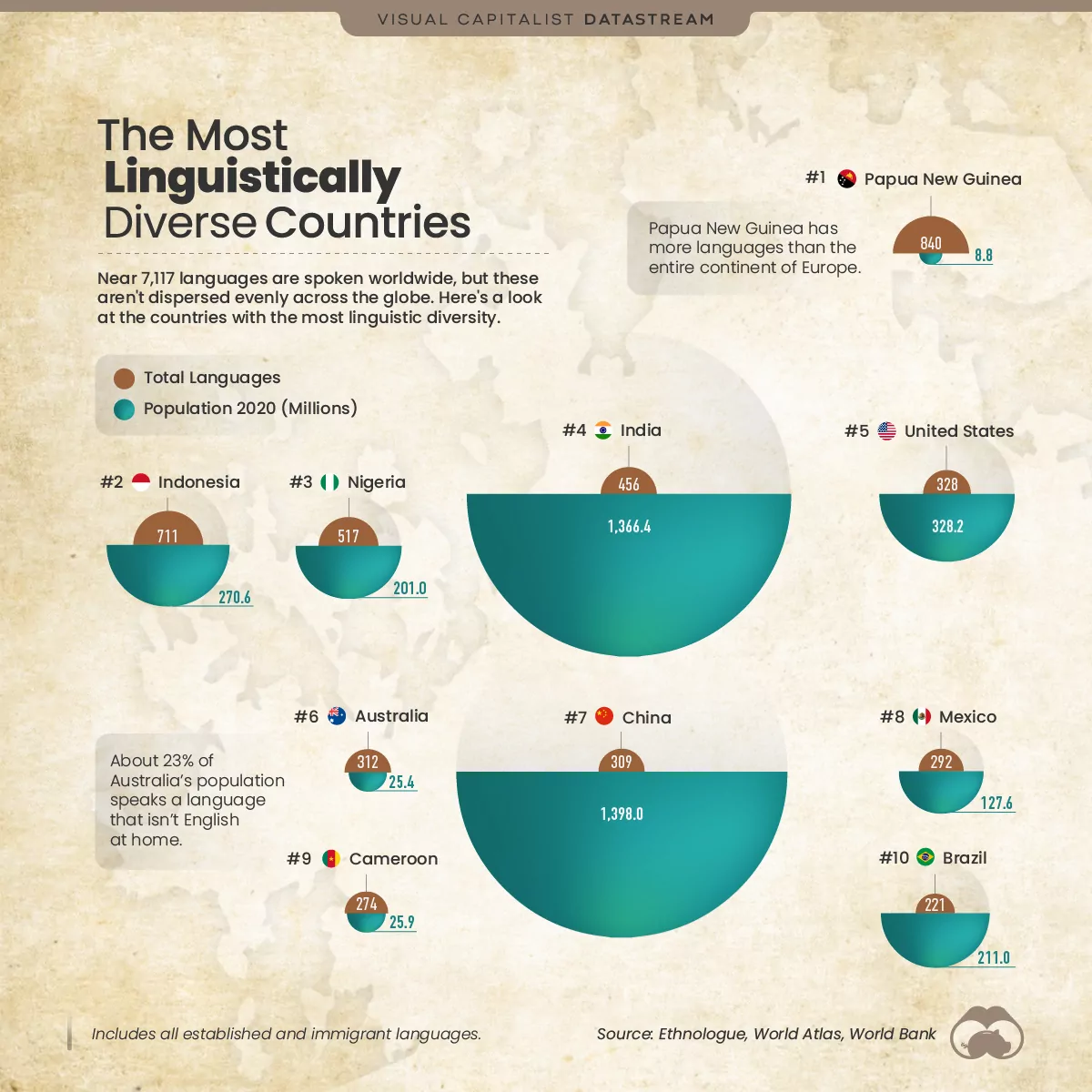
Fuente: Foro Económico Mundial
Como gerente de proyectos de localización, puedes orientar cualquier mercado o local extranjero al que tu empresa se esté expandiendo.
Sin embargo, si estás empezando y no sabes qué decirle a las partes interesadas, considera estas idiomas principales clasificados por PIB en 2026.
Para aprender más sobre localización, asegúrate de revisar estas publicaciones cuando tengas tiempo:
- Localización de WordPress: Qué es y cómo localizar su sitio web para mercados extranjeros;
- Localización de Comercio Electrónico: Beneficios y Cómo Implementarlo en 2026;
- 10 mayores problemas de localización de sitios web y cómo evitarlos;
- Localización vs Traducción: ¿Cuáles son las principales diferencias?
Ahora que la localización no suena a ciencia de cohetes, pasemos a hablar más sobre el rol de un gestor de proyectos de localización, el foco principal del artículo de hoy.
El Rol de un Gerente de Proyecto de Localización

El gerente de proyecto de localización es el ancla en el proceso de localización. Son responsables de manipular, implementar y supervisar las tareas de localización de principio a fin.
El trabajo requiere una combinación única de habilidades de gestión de proyectos, sensibilidad cultural y experiencia lingüística.
En los siguientes párrafos, examinaremos a fondo las responsabilidades y cualidades de un gestor de proyectos de localización exitoso.
Empecemos.
Los gerentes de proyectos de localización realizan investigación de mercado
La primera responsabilidad principal de un gerente de proyecto de localización es realizar una investigación de mercado inteligente para cada proyecto.
A través de la investigación de mercado, los gerentes de proyectos de localización pueden comprender mejor las regiones y los clientes a los que se dirigen con su proyecto de localización. Además, los gerentes de proyectos de localización pueden identificar la competencia que esperan enfrentar al ingresar al mercado extranjero.
La investigación es vital para cualquier proyecto de expansión de mercado, pero la localización también requiere investigar la cultura local, el uso del lenguaje y los hábitos de compra.
Con los datos que recopilan los gerentes, pueden crear contenido que atraiga al público objetivo, comercializar productos de manera más efectiva y contratar al personal adecuado para el proyecto.
Colaborar con agencias locales es una excelente manera de agilizar la investigación de mercado y contratar empleados talentosos para cada uno de tus puestos. Oda al ejemplo de McDonald's anterior.
Como gerente de proyecto de localización, el objetivo es recopilar datos que te ayuden a mejorar la comunicación entre los nuevos clientes objetivo y tu empresa. Quieres pensar como el cliente local.
En resumen, quieres datos que te permitan hablar no solo a sus mentes, sino también a sus corazones. Así que estate atento a las tendencias culturales y de consumo locales.
Profundiza hasta encontrar información local que haga que tus clientes objetivo griten “¡Sí, esto es! ¡Voy a comprar este producto!”
El Gerente de Proyecto de Localización Planifica y Define el Alcance de los Proyectos
Una de las responsabilidades clave de un gerente de localización es la planificación y el alcance de los proyectos de localización.
Todos sabemos que no planificar es planificar el fracaso, y los proyectos de localización no son diferentes.
La planificación de un proyecto de localización desde cero podría parecer fácil al principio, pero esta fase implica mucho más de lo que muchos principiantes esperan.
Primero, la planificación podría implicar una investigación adicional del mercado para establecer estrategias de entrada viables y captar cualquier cosa que se haya pasado por alto en la primera ronda de investigación.
¿No es mejor tener datos adecuados que perder algo que podría hacer o deshacer tu estrategia de localización?
Segundo, la planificación también implica definir los objetivos del proyecto y las metas generales de la empresa. Determinar estos objetivos desde el principio facilita la medición de los resultados de su proyecto de localización más adelante.
Los objetivos de localización de una empresa pueden variar entre:
- Entrada en un nuevo mercado;
- Impulsar ingresos;
- Atraer más tráfico a tu sitio web desde mercados extranjeros;
- Cumpliendo con las normativas locales;
- Mejorando la experiencia del usuario;
- Generación de clientes potenciales en un mercado extranjero específico;
- Etc.
Tener objetivos claros te permite evaluar los efectos de tu estrategia de localización y ajustarla según sea necesario.
Eso no es todo…
Durante la etapa de planificación, identificas a las partes interesadas que participan en el proyecto de localización. Esto te permite colaborar con los equipos de marketing, ventas, desarrollo de producto, legal, técnico y otros para recopilar todos los recursos necesarios para la localización.
En este momento, aliente a las partes interesadas, a los proveedores de servicios lingüísticos (LSP) y a otros empleados a plantear cualquier pregunta sobre los procedimientos.
Al mismo tiempo, la planificación implica una cuidadosa asignación de recursos para lograr el éxito. Debes determinar los recursos necesarios, incluidos software de localización, creadores de contenido, traductores, consultores culturales, evaluadores, soporte técnico y más.
Además, determine plazos realistas, considerando los probables retrasos y las complejidades del proceso de localización.
También deseas determinar los costos esperados de localización y asegurar que el proyecto se mantenga dentro del presupuesto. No quieres quedarte sin dinero a mitad del proyecto ni escatimar recursos para sobrevivir.
Planificar tu proyecto de localización es crucial, ya que establece una base sólida para las campañas y aumenta tus posibilidades de éxito.
El competente gestor de localización local sabe esto y planifica cuidadosamente para evitar o mitigar cualquier problema que pueda surgir durante el proyecto.
Sensibilidad Cultural y Experiencia Lingüística
La sensibilidad cultural y la experiencia lingüística son elementos intrínsecos de la localización. Aquí es donde entra en juego la investigación de mercado que hizo antes.
Intentar crear una estrategia de localización sin comprender primero la cultura y el idioma de su mercado objetivo es una locura.
Es como montar en bicicleta o jugar al airsoft con los ojos vendados. Ahora bien, no quieres eso para tu estrategia de localización.
Dicho esto, los gestores de proyectos de localización competentes invierten tiempo en comprender exhaustivamente las normas culturales, los valores y las preferencias del mercado de destino.
Esto te da el material que necesitas para crear contenido que resuene con la audiencia local.
Además, vale la pena dominar los pares de idiomas involucrados en el proyecto de localización. Aquí es donde entra en juego la destreza lingüística.
Sin embargo, convertirse en un maestro lingüístico a menudo no es tan fácil como cabría imaginar, especialmente cuando se trabaja con muchos idiomas.
Por esta razón, el director del proyecto de localización inteligente contrata expertos lingüísticos, traductores, proveedores de servicios lingüísticos, y los revisores para la tarea.
El objetivo general es garantizar que no solo traduzcas el contenido, sino que también lo adaptes para que encaje en el contexto cultural del público destinatario. No quieres crear malentendidos ni sonar ofensivo.
Supongamos, por ejemplo, que a su mercado japonés le gusta el contenido formal y profesional. Si ya tiene contenido informal y moderno para su público estadounidense, querrá adaptarlo en consecuencia al entrar en el mercado japonés.
También quieres sumergirte en la cultura japonesa y comprender sus hábitos de compra y preferencias. Incluso podría significar la creación de nuevos productos que se adapten a las preferencias locales, al igual que McDonald's en China.
Recuerda, tampoco quieres cometer estos errores mientras lo haces: Los Peores Fallos de Traducción y Errores Traductores: Más de 20 Ejemplos Divertidísimos.
Pasemos al siguiente punto.
Coordinación y Comunicación
Otra responsabilidad clave de un gestor de localización es la coordinación y la comunicación. Toda la operación se vendrá abajo si estas dos tareas no se gestionan eficazmente.
Primero, sin una coordinación y comunicación eficaces, te costará mucho crear un equipo multifuncional de creadores de contenido, desarrolladores, editores, traductores y revisores que entiendan la cultura y el idioma del mercado objetivo.
Te volverás loco como pollo sin cabeza y tu equipo de localización disfuncional será como la famosa historia de Torre de Babel.
Ya sabes, esa famosa torre mítica donde a la gente le iba muy bien porque hablaban el mismo idioma, pero las cosas se desmoronaron por la confusión cuando Dios cambió el idioma.
Por cierto, ¿podría ser así como surgieron la diversidad lingüística y cultural? Pero me desvío del tema.
Volviendo al punto...
Como gestor de proyectos de localización, es tu responsabilidad actuar como un punto de contacto central para garantizar una comunicación clara y coherente entre todas las partes involucradas.
Además, como coordinador, debes comunicarte regularmente con los miembros de tu equipo para supervisar el progreso, resolver problemas y ofrecer apoyo cuando sea necesario.
Este es un gran impulso moral para todo el equipo, así que no lo des por sentado, ya que tú mandas.
No seas ese jefe que aparece justo antes de la fecha límite resoplando fuego por la nariz. O el tipo (o chica) que está constantemente respirando en la nuca de todos.
El objetivo principal es facilitar una comunicación y coordinación efectivas, no sofocar los esfuerzos de su equipo con micromanipulación.
Por último, el director del proyecto de localización también es responsable de informar a las partes interesadas. Si trabajas para una empresa, los cargos superiores y otras partes interesadas querrán actualizaciones periódicas sobre los hitos del proyecto, los riesgos asociados y cualquier cambio en tu estrategia.
El director de proyectos de localización exitoso es un coordinador y comunicador magistral.
Pasemos al siguiente punto.
¡El control de calidad también es tu trabajo!
Justo cuando pensabas que los jefes de proyecto de localización tenían suficiente carga de trabajo y no necesitaban más responsabilidades.
Pero, mantener altos estándares de calidad es fundamental en cualquier proyecto de localización. El gestor de localización debe garantizar que el contenido localizado conecte con el mercado objetivo y cumpla con los estándares de la empresa.
No quieres manchar la imagen de marca y la reputación de tu organización con una localización de baja calidad. De lo contrario, podrías terminar saliendo del mercado extranjero que tanto persigues, como algunas de las empresas que hemos visto.
A medida que su equipo traduce material para terminar un proyecto, una parte importante de su trabajo como gerente de proyectos de localización es mantener la calidad de esas traducciones y del producto final que entrega a los clientes. Consejos profesionales de Indeed
¿Pero cómo te las arreglas para hacerlo?
Para empezar, el entusiasta gestor de proyectos de localización establece normas de calidad que debe seguir todo el equipo.
Esto implica desarrollar criterios que garanticen la adecuación cultural, la precisión lingüística y la funcionalidad técnica. Para ello, es posible que necesite elaborar guías de estilo eficaces.
En segundo lugar, debe estar disponible para llevar a cabo revisiones y pruebas una vez que su equipo comience la localización de contenido.
En otras palabras, su responsabilidad como gestor de localización es desarrollar un proceso riguroso de revisión y pruebas.
Quieres tener en cuenta las pruebas de funcionalidad (porque algunos idiomas son muy extensos y cambian radicalmente al traducirse), las revisiones lingüísticas y las pruebas de aceptación de usuario.
Y no publiques el contenido traducido hasta que estés 100% seguro de que supera tus controles de calidad.
Además de eso, no olvides crear un circuito de retroalimentación entre los usuarios locales y la empresa. Utiliza encuestas y cualquier otra herramienta a tu disposición para recopilar comentarios que te ayuden a mejorar tu proyecto de localización.
El perspicaz gestor de proyectos de localización presta mucha atención a los detalles más pequeños, consciente de que una localización de baja calidad desperdicia tiempo y recursos para todos los implicados.
De acuerdo. Sigamos adelante.
Gestión de riesgos
Los directores de proyectos de localización exitosos son tomadores de riesgos: se aventuran en mercados extranjeros, aprenden sobre nuevas culturas e idiomas, y encuentran formas casi imposibles de conectar con audiencias locales lejos de casa.
¿Pero sabes qué más?
Los jefes de proyecto de localización que destacan son excelentes gestionando riesgos. Así es, la localización está plagada de riesgos, incluidos errores culturales y desafíos técnicos.
Para brillar en el puesto de director de proyectos de localización, primero debes aprender a identificar los riesgos mucho antes de que se manifiesten. Esto significa anticipar posibles riesgos, como traducciones tardías y la falta de alineación con las leyes locales o las sensibilidades culturales.
En segundo lugar, debes desarrollar planes de contingencia para contrarrestar los riesgos. Por ejemplo, puedes tener traductores de reserva en espera, implementar más pruebas y realizar más investigación para captar los matices culturales.
Además de eso, debes vigilar el proyecto de localización para detectar nuevos riesgos e implementar estrategias para mitigar sus consecuencias.
Con una planificación previa adecuada, esto no debería ser gran cosa para la mayoría de los gestores de localización.
Competencia técnica
Desconocido para muchas personas, la localización es un proceso técnico como cualquier otro. No se les puede culpar; la mayoría de los principiantes piensan que la localización equivale a traducir texto.
Sin embargo, la localización tiene su buena cuota de desafíos técnicos, incluida la localización de software y la localización de contenido multimedia.
Por esta razón, los gestores de localización deben tener conocimientos tecnológicos.
En otras palabras, debes tener las habilidades técnicas y saber desenvolverte herramientas de traducción, sistemas de gestión de contenido, sistemas de gestión de traducción, y memoria de traducción herramientas.
Como director de proyectos de localización, probablemente trabajarás en estrecha colaboración con los desarrolladores para garantizar que el contenido localizado se integre en el producto y funcione como se espera en el mercado objetivo.
Por esta razón, no quieres ser la única persona en la sala que no sabe lo que se está diciendo o lo que está pasando.
Si no eres lo que llamaríamos experto en tecnología, puedes utilizar una herramienta como TranslatePress para superar la mayoría de estos obstáculos técnicos. El plugin es fácil de usar incluso si nunca has usado software de traducción.
Otra cosa. Ser un gestor de localización con buenos conocimientos tecnológicos te permite solucionar (y probablemente arreglar) cualquier problema técnico que surja durante el proyecto de localización.
Además, la localización es un proceso continuo que implica tareas repetitivas y mundanas. La tecnología puede ayudarte a automatizar, optimizar y acelerar tu flujo de trabajo.
Quieres repasar tus habilidades técnicas o aprender las habilidades necesarias para triunfar en la entrevista y destacar en tu trabajo.
Resumen rápido
De la sección anterior, hemos visto que un director de proyectos de localización exitoso tiene las siguientes características y responsabilidades:
- Investigador astuto – Necesitas realizar una investigación de mercado inteligente antes de adaptar el contenido;
- Planificador maestro – La planificación es un componente crítico de un proyecto de localización exitoso;
- Sensibilidad cultural y dominio lingüístico – Como experto en localización, necesitas un profundo conocimiento de la cultura local. Además, debes comprender las lenguas involucradas, aunque aprendimos que puedes contratar a expertos lingüísticos locales para echar una mano;
- Gran coordinador y comunicador – Debes perfeccionar tus habilidades de coordinación y comunicación para formar equipos funcionales y mantener a todos informados de manera efectiva;
- Garantía de calidad – Un director de proyectos de localización exitoso es detallista para garantizar que el contenido localizado se alinee con el público objetivo y cumpla con los estándares de la empresa;
- Gestión de riesgos – Los gestores de localización planean mitigar los riesgos que surgen durante el proceso;
- Tecnológico Para mejorar tus posibilidades de tener éxito en este puesto, necesitas sólidos conocimientos técnicos para trabajar con diversas herramientas de localización.
También necesitarás otros atributos y talentos como la adaptabilidad, habilidades analíticas y liderazgo.
Con las responsabilidades clave y las características de los gerentes de localización exitosos bajo el brazo, ¿a qué desafíos se enfrentan?
Desafíos que enfrentan los gerentes de proyectos de localización

Sin lugar a dudas, los jefes de proyectos de localización son el eje central y las superestrellas de toda la operación. Sin este importante rol, el equipo (si es que hubiera alguno para empezar) estaría hecho un desastre.
Pero no son dioses y a menudo se ven paralizados por múltiples desafíos que hacen que las operaciones del día a día sean aún más difíciles.
En la siguiente sección, cubriremos brevemente los desafíos a los que se enfrentan los gestores de localización.
- Equilibrar calidad y velocidad – La localización es un hueso duro de roer. Para muchos gestores, garantizar la calidad a la vez que se cumplen ajustados plazos es una pesadilla, en particular para proyectos grandes. Una selección cuidadosa de personal, la automatización y las herramientas pueden resultar útiles si estás pasando apuros;
- Gestión de equipos multilingües – La gestión de recursos humanos es uno de los trabajos más difíciles que jamás harás. Las cosas no se vuelven más fáciles cuando trabajas con expertos culturales y lingüísticos de diferentes orígenes, y es posible que te arranques los cabellos antes de la hora del almuerzo. ¿Ves por qué necesitas sólidas habilidades de coordinación y comunicación?
- Malentendidos culturales – ¿Sabías que un simple tropiezo cultural puede arruinar el proyecto de localización? Pregunta KFC. Por eso necesitas mucha investigación, reseñas y pruebas antes de lanzarlo;
- Retos técnicos – Configurar los entornos y el software de localización y conseguir que su equipo se sume es tedioso y requiere mucho tiempo. Contar con habilidades especializadas y soporte técnico a mano le salvará el día;
- Estar a la altura de las expectativas de las partes interesadas – La mayoría de las veces, los directivos y personas de otros departamentos como el legal y el de marketing no conocen el lugar (ni el valor) de la localización y, como resultado, tienen expectativas poco realistas. Alinear estas expectativas con tus objetivos de localización requiere diplomacia y una negociación cuidadosa.
Para colmo, todavía tienes que lidiar con otros retos a los que se enfrenta todo gerente tradicional diariamente.
Espero que estés aprendiendo algo aquí hoy 🙂
Herramientas para el puesto de Gerente de Proyecto de Localización

La localización es un trabajo difícil para cualquiera que busque aventurarse en esta carrera. Hay muchas partes móviles en un momento dado. Es principalmente la razón por la cual los gerentes experimentados confían en herramientas y tecnologías para facilitar las cosas.
Aquí hay algunas de las herramientas para el trabajo:
- Sistema de gestión de traduccións (TMS) – Este tipo de software le permite automatizar muchas partes repetitivas del proceso de localización y traducción;
- Sistemas de gestión de contenidos (CMS) – Plataformas como WordPress le permiten difundir fácilmente contenido localizado en diferentes regiones y localidades. Un complemento como TranslatePress incluso crea automáticamente URL específicas para cada región. Por ejemplo, www.example.com/es para hispanohablantes, www.example.com/fr para regiones de habla francesa y más;
- Herramientas de automatización de la localización – Necesitará herramientas que automaticen partes del proceso de localización, reduciendo el trabajo manual y mejorando la eficiencia. TranslatePress AI te respalda aquí;
- Software de gestión de proyectos – Para estar al tanto de todo y colaborar con los miembros del equipo, necesitas una herramienta de gestión de proyectos como Asana, Slack y Trello. De lo contrario, las cosas se saldrán de control;
- Herramientas de análisis y comentarios – Como gestor de localización impulsado por datos, debes medir los resultados de tus esfuerzos. ¿De qué otro modo sabrás si tu contenido localizado funciona en el mercado objetivo? Utiliza herramientas como Google Analytics, Hotjar y Matomo Analytics, entre otras;
- Herramientas de garantía de calidad – Herramientas como QA Distiller y Xbench le ayudan a detectar errores y eliminarlos mucho antes de presentar el contenido localizado al mercado de destino.
Todo esto se destinará a la asignación de recursos durante la fase de planificación. Una investigación adecuada le ayudará a identificar las herramientas que necesita para una estrategia de localización que garantice el éxito global.
Consigue una herramienta como TranslatePress para manejar la mayoría de estas tareas de localización como un jefe. No tienes nada que perder; hay una versión gratuita para probar las aguas.
TranslatePress Multilingüe
Últimas palabras
El papel de un gestor de proyectos de localización no se puede prescindir ni ignorar en ninguna empresa que quiera globalizarse.
Puedes localizar eficazmente tu contenido para brillar internacionalmente con el enfoque y las herramientas adecuados.
Se necesita una cuidadosa preparación y esfuerzo, pero la localización puede ayudarte a dominar los mercados extranjeros como siempre soñaste.
¿Nos perdimos algo? Háznoslo saber en los comentarios y actualizaremos el artículo. Además, tómate un momento para compartir esta publicación con tus seguidores.
Hasta la próxima, por una localización eficaz. ¡Salud!