

In questo post
Vuoi saperne di più sul ruolo e sulle responsabilità di un project manager di localizzazione?
Se è così, sei nel posto giusto perché questo post del blog è esattamente quello che stavi cercando. Continua a leggere per saperne di più.
In sintesi...
Un localization project manager è la persona responsabile dell'esecuzione del tuo strategia di localizzazione in un nuovo mercato estero. Supervisionano l'intero processo, dalla pianificazione all'implementazione, dall'ottimizzazione alla misurazione dei risultati.
In altre parole, guidano il team di localizzazione, gestendo senza problemi creatori di contenuti, sviluppatori, editor, esperti linguistici, traduttori e altri stakeholder per raggiungere il vostro obiettivo. Che in questo caso è una localizzazione efficace.
In genere, le persone che hanno successo in questo ruolo possiedono un background nella gestione di progetti e un'esperienza nella localizzazione e nel lavoro con team multifunzionali.
Ed è un ruolo piuttosto importante per qualsiasi azienda che voglia vendere a livello internazionale.
Perché?
Vedi. Nell'economia globalizzata di oggi, i confini geografici non confinano più le aziende. Grazie a piattaforme di e-commerce internazionali e altri progressi tecnologici, le aziende possono fare affari in tutto il mondo a differenza dei tempi passati.
Ma questo presenta un problema.
A livello nazionale, i contenuti del vostro sito web in inglese, i materiali di marketing e vendita, i prodotti e i servizi possono ottenere buoni risultati. Vendere a livello internazionale, tuttavia, presenta alcune sfide uniche.
Oltre a tradurre l'intero contenuto del vostro sito web, dovete adattare i vostri prodotti e servizi per soddisfare diverse culture ed esigenze linguistiche.
Questa è l'essenza della localizzazione ed è più difficile di quanto sembri, specialmente per un principiante che pensa che equivalga alla traduzione.
La localizzazione consiste nell'assicurarsi che i vostri contenuti risuonino con il pubblico locale nei vari mercati di riferimento. Altrimenti, fallirete miseramente in mercati stranieri come alcuni dei ragazzi in questo post.
Questo, tra gli altri motivi, è il motivo per cui un project manager di localizzazione è importante in qualsiasi organizzazione che sogni il successo globale.
Che cos'è la localizzazione? Una breve panoramica

Prima di esplorare il ruolo e le responsabilità di un localization manager, ho pensato fosse opportuno ripassare brevemente il concetto di localizzazione per fare ulteriore chiarezza.
Allora, classe, cos'è la localizzazione nel commercio globale?
Come abbiamo accennato in precedenza, la localizzazione consiste nell'adattare i vostri contenuti, prodotti, servizi o siti web a una particolare località o mercato di riferimento al di là dei confini nazionali.
Va ben oltre traduzione e transcreazione poiché devi comprendere chiaramente (e poi adattarti a) le sfumature culturali uniche, le aspettative del mercato, l'uso della lingua e le preferenze di acquisto del pubblico di riferimento.
O, come dice giustamente Nick Schäferhoff:
…non bisogna solo tradurre le parole, ma considerare gli aspetti linguistici, culturali, tecnici e persino normativi. È un adattamento complessivo al mercato e al pubblico di arrivo, non solo in termini di lingua, ma anche di gusto e tono.
Senza un'efficace strategia di localizzazione, fallirai l'obiettivo nel tuo mercato estero.
Tipo, una volta Walmart ha installato scaffali per la spesa alti in Corea del Sud, un paese in cui la maggior parte delle persone è – per mancanza di una parola migliore – bassa. Questo, ovviamente, rispetto ai negozi negli Stati Uniti dove l'altezza degli scaffali non è un grosso problema.
Quali sono stati i risultati della loro strategia di localizzazione scarsamente studiata e implementata?
Gli acquirenti coreani hanno dovuto allungamento e usa le scale per raggiungere gli scaffali più alti. Hehe. È divertente ma non divertente perché il il gigante della vendita al dettaglio ha subito perdite ingenti e in seguito è uscita dal mercato.
Walmart è solo un esempio di localizzazione fallita. Altri marchi famosi che hanno fatto un fiasco totale includono Starbucks in Israel e Home Depot in China.
Molti principianti confondono spesso la localizzazione con la traduzione. O meglio, presumono che tradurre il testo di partenza nella lingua di arrivo sia un approccio sufficiente quando si entra nei mercati stranieri.
Ma niente potrebbe essere più lontano dalla verità. Sebbene la traduzione sia parte del lavoro, i project manager della localizzazione prendono in considerazione specifiche esigenze culturali, legali e di esperienza utente.
Ad esempio, la localizzazione di un sito web per il mercato cinese significa:
- Prima, traduzione del contenuto in cinese;
- E, secondo, tenendo conto dell'estetica locale, delle preferenze di navigazione e dei requisiti legali.
Questo includerà l'utilizzo di immagini locali e gergale, modificando il packaging del prodotto, rinnovando l'interfaccia utente e introducendo riferimenti culturali che risuonano con il mercato cinese.
Ti serve un esempio?
Un buon esempio in questo caso è La strategia di localizzazione di McDonald's in Cina. Dopo le difficoltà iniziali, la catena di fast-food multinazionale ha costruito una solida reputazione del marchio concentrandosi sui gusti locali.
Per esempio. Invece di rimanere legati ai gusti e allo stile americani, hanno ravvivato il menu per adattarlo ai consumatori cinesi, e ha funzionato.
…l'avventura nel mercato cinese ha facilitato lo sviluppo di competenze di localizzazione. Un caso esemplare è il panino al pollo “McSpicy”, progettato specificamente per il mercato cinese in risposta alla preferenza locale per le cosce di pollo e la cucina piccante. – KrAsia Connection
La strategia di localizzazione ha funzionato così bene che ora sono raddoppiare gli sforzi di espansione del mercato in Cina e introducendo piatti del menu cinese in altre località globali.
Tanto di cappello al loro project manager della localizzazione, che ha ribaltato la situazione quando gli stakeholder erano scettici sul mercato cinese e tutti i segnali indicavano un'uscita anticipata.
Inoltre, la localizzazione ha aiutato l'azienda a ridurre i costi.
…La catena di approvvigionamento localizzata in Cina può offrire a McDonald’s vantaggi di costo più significativi, consentendo in futuro una cooperazione più stretta con le aziende locali cinesi. Attualmente, oltre il 90% degli ingredienti e dei giocattoli utilizzati da McDonald’s in Cina viene acquistato e prodotto localmente, mentre i team dedicati ai dati e all’IT nel mercato cinese sono completamente localizzati. – KrAsia Connection
Quindi, signore e signori, cos'è di nuovo la localizzazione?
A questo punto, siamo tutti d'accordo sul fatto che la localizzazione va ben oltre la semplice traduzione. Si tratta di adattare i contenuti e i prodotti affinché entrino in sintonia con il pubblico di riferimento locale.
La localizzazione si applica anche a due paesi o regioni che parlano la stessa lingua ma usano dialetti, parole e ortografie diverse.
Un esempio popolare è “color” e “colour”. Allo stesso modo, abbiamo “pants” e “trousers”, “fanny pack” e “bum bag” o “elevator” e “lift” per i mercati statunitense e britannico.
Durante la traduzione e la localizzazione dei vostri contenuti, ricordate che i diversi paesi presentano un'enorme diversità linguistica.
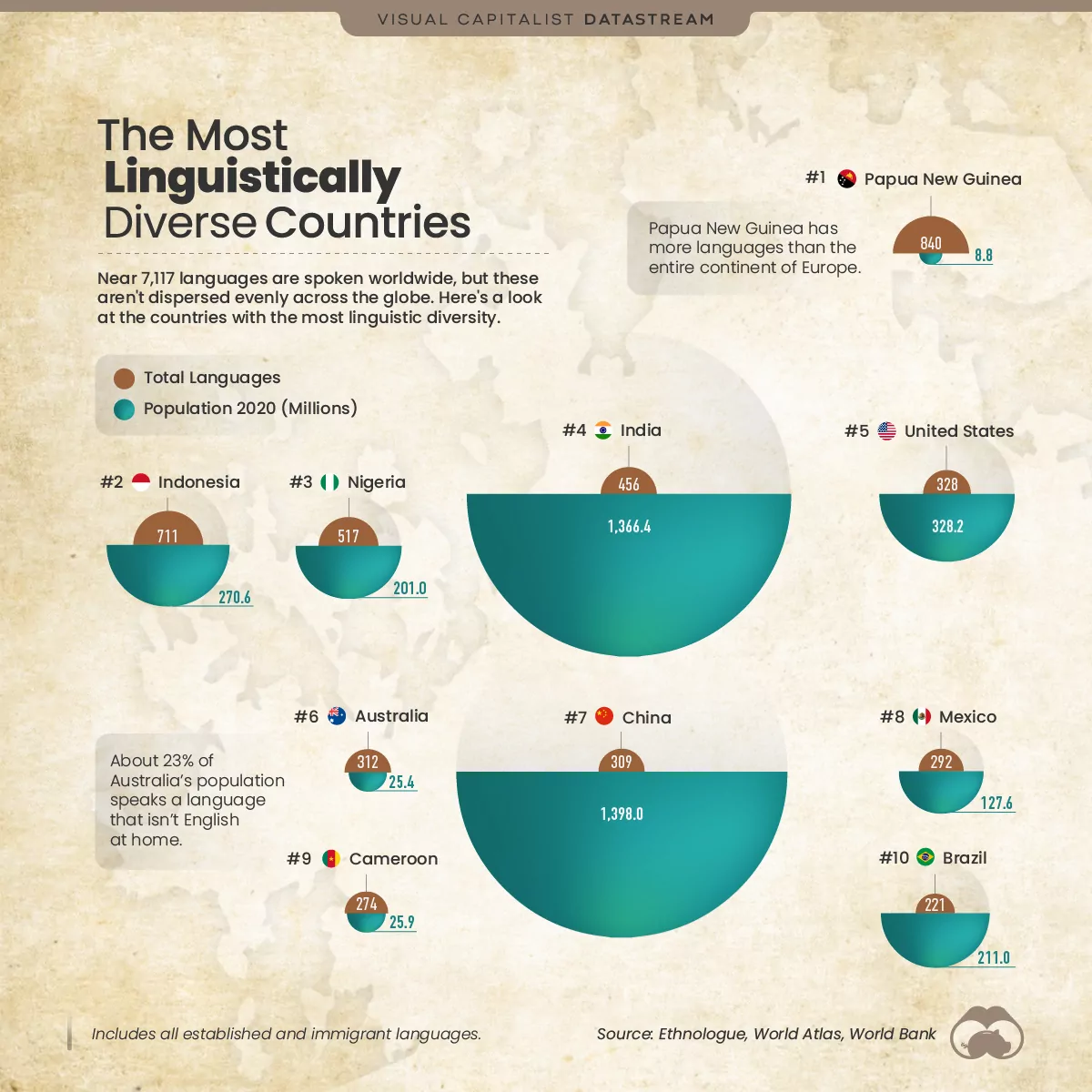
Origine: Forum Economico Mondiale
In qualità di localization project manager, puoi puntare a qualsiasi mercato straniero o area geografica in cui la tua azienda si sta espandendo.
Tuttavia, se state iniziando e non sapete cosa dire agli stakeholder, considerate questi principali lingue classificate per PIL nel 2026.
Per saperne di più sulla localizzazione, assicurati di dare un'occhiata a questi post quando hai tempo:
- Localizzazione di WordPress: Cos'è e come localizzare il tuo sito web per i mercati stranieri;
- Localizzazione e-commerce: Vantaggi e come implementarla nel 2026;
- I 10 maggiori problemi di localizzazione dei siti web e come evitarli;
- Localizzazione vs Traduzione: Quali Sono le Principali Differenze?
Ora che la localizzazione non sembra più scienza missilistica, passiamo oltre e parliamo di più del ruolo di un localization project manager, il focus principale dell'articolo di oggi.
Il ruolo di un Localization Project Manager

Il project manager di localizzazione è il punto di riferimento nel processo di localizzazione. È responsabile della gestione, dell'implementazione e della supervisione delle attività di localizzazione dall'inizio alla fine.
Il lavoro richiede una combinazione unica di competenze di gestione dei progetti, sensibilità culturale e competenza linguistica.
Nei prossimi paragrafi, esamineremo in modo approfondito le responsabilità e le qualità di un localization project manager di successo.
Iniziamo.
I project manager di localizzazione conducono ricerche di mercato
La prima responsabilità principale di un project manager della localizzazione è condurre ricerche di mercato intelligenti per ciascun progetto.
Attraverso le ricerche di mercato, i project manager della localizzazione possono comprendere meglio le regioni e i clienti a cui si rivolgono con il loro progetto di localizzazione. Inoltre, i LPM possono identificare la concorrenza che prevedono di affrontare quando entrano nel mercato estero.
La ricerca è vitale per qualsiasi progetto di espansione del mercato, ma la localizzazione richiede anche di studiare la cultura locale, l'uso della lingua e le abitudini d'acquisto.
Con i dati che i localization manager raccolgono, possono creare contenuti che piacciono al pubblico di riferimento, commercializzare i prodotti in modo più efficace e assumere i talenti giusti per il progetto.
La collaborazione con le agenzie locali è un ottimo modo per accelerare le ricerche di mercato e assumere dipendenti di talento per ciascuno dei vostri ruoli. Ode all'esempio di McDonald's di cui sopra.
Come localization project manager, l'obiettivo è raccogliere dati che ti aiutino a migliorare la comunicazione tra i nuovi clienti target e la tua attività. Vuoi pensare come il cliente locale.
In breve, vuoi dati che ti permettano di parlare non solo alla loro mente ma anche al loro cuore. Quindi tieni d'occhio le tendenze culturali e di shopping locali.
Approfondisci fino a trovare informazioni locali che facciano urlare ai tuoi clienti target: “Sì, è proprio questo. Compro questo prodotto!”
Project Manager di localizzazione: Pianificazione e definizione dell'ambito dei progetti
Una delle responsabilità chiave di un localization manager è la pianificazione e la definizione dell'ambito dei progetti di localizzazione.
Sappiamo tutti che fallire nel pianificare significa pianificare il fallimento, e i progetti di localizzazione non fanno eccezione.
Pianificare un progetto di localizzazione da zero potrebbe sembrare facile all'inizio, ma questa fase richiede molto di più di quanto molti principianti si aspettino.
Innanzitutto, la pianificazione potrebbe comportare ulteriori ricerche di mercato per stabilire strategie di ingresso praticabili e cogliere qualsiasi cosa possiate aver tralasciato con il primo ciclo di ricerche.
Non è meglio avere dati adeguati piuttosto che perdere qualcosa che potrebbe fare la fortuna o la rovina della vostra strategia di localizzazione?
Secondo, la pianificazione implica anche la definizione degli obiettivi del progetto e degli obiettivi aziendali generali. Determinare questi obiettivi in anticipo rende facile misurare i risultati del vostro progetto di localizzazione in seguito.
Gli obiettivi di localizzazione dell'azienda potrebbero essere qualsiasi cosa tra:
- Entrare in un nuovo mercato;
- Aumentare i ricavi;
- Generare più traffico verso il vostro sito web dai mercati stranieri;
- Conformità alle normative locali;
- Migliorare l'esperienza utente;
- Generare contatti in uno specifico mercato estero;
- Eccetera.
Avere obiettivi chiari consente di valutare gli effetti della strategia di localizzazione e di apportare le modifiche necessarie.
Non è tutto…
Durante la fase di pianificazione, si identificano gli stakeholder che svolgono un ruolo nel progetto di localizzazione. Questo consente di collaborare con i team di marketing, vendite, sviluppo prodotto, legale, tecnico e altri team per raccogliere tutte le risorse necessarie per la localizzazione.
A questo punto, incoraggiate le parti interessate, i fornitori di servizi linguistici (LSP) e gli altri dipendenti a rivolgere qualsiasi domanda di carattere procedurale.
Allo stesso tempo, la pianificazione implica un'attenta allocazione delle risorse per raggiungere il successo. È necessario determinare le risorse necessarie, comprese software di localizzazione, creator di contenuti, traduttori, consulenti culturali, tester, supporto tecnico e altro ancora.
Inoltre, determina scadenze realistiche, considerando i probabili ritardi e le complessità del processo di localizzazione.
Inoltre, vuoi determinare i costi di localizzazione previsti e assicurarti che il progetto rimanga entro il budget. Non vuoi rimanere senza soldi nel bel mezzo del progetto o prendere scorciatoie per sopravvivere.
Pianificare il tuo progetto di localizzazione è fondamentale poiché stabilisce una solida base per le campagne e aumenta le tue possibilità di successo.
Il competente local manager locale lo sa e pianifica attentamente per evitare o mitigare qualsiasi problema che possa sorgere durante il progetto.
Sensibilità culturale e competenza linguistica
La sensibilità culturale e la competenza linguistica sono elementi intrinseci della localizzazione. È qui che entra in gioco la ricerca di mercato fatta in precedenza.
Tentare di creare una strategia di localizzazione senza prima comprendere la cultura e la lingua del mercato di riferimento è un'impresa folle.
È come andare in bicicletta o giocare a softair con una benda sugli occhi. Ora, non vorresti questo per la tua strategia di localizzazione.
Detto questo, i project manager di localizzazione competenti dedicano tempo a comprendere in modo esaustivo le norme culturali, i valori e le preferenze del mercato di riferimento.
Questo ti dà il materiale necessario per creare contenuti che risuonino con il pubblico locale.
In aggiunta a ciò, è vantaggioso padroneggiare le coppie linguistiche coinvolte nel progetto di localizzazione. È qui che entra in gioco l'abilità linguistica.
Tuttavia, diventare un maestro linguistico spesso non è così facile come immagineresti, soprattutto quando si lavora con molte lingue.
Per questo motivo, il project manager di localizzazione intelligente assume esperti linguistici, traduttori, fornitori di servizi linguistici, e revisori per il compito.
L'obiettivo principale è assicurarsi non solo di tradurre il contenuto, ma anche di adattarlo al contesto culturale del pubblico di riferimento. Non si vogliono creare fraintendimenti né risultare offensivi.
Supponiamo, ad esempio, che il vostro mercato giapponese apprezzi contenuti formali e professionali. Se disponete già di contenuti informali e stravaganti per il vostro pubblico americano, vorrete adattarli di conseguenza entrando nel mercato giapponese.
Anche tu vuoi immergerti nella cultura giapponese e comprendere le loro abitudini di acquisto e preferenze. Potrebbe persino significare creare nuovi prodotti per soddisfare le preferenze locali, un po' come ha fatto McDonald's in Cina.
Ricordati, non vuoi nemmeno commettere questi errori mentre lo fai: I peggiori errori e traduzioni errate: oltre 20 esempi esilaranti.
Passiamo al punto successivo.
Coordinamento e comunicazione
Un'altra responsabilità chiave di un localization manager è il coordinamento e la comunicazione. L'intera operazione andrà a rotoli se questi due compiti non vengono gestiti efficacemente.
Primo, senza un coordinamento e una comunicazione efficaci, farete fatica a creare un team interfunzionale di creatori di contenuti, sviluppatori, editor, traduttori e revisori che comprendano la cultura e la lingua del mercato di riferimento.
Ti sputerai addosso come una gallina senza testa e il tuo disfunzionale team di localizzazione sarà come la famosa storia del Torre di Babele.
Sai, quella famosa torre mitica dove le cose andavano così bene perché parlavano tutti la stessa lingua, ma tutto è andato in pezzi per la confusione quando Dio ha cambiato la lingua?
A proposito, potrebbe essere così che sono nata la diversità linguistica e culturale? Ma sto deviando.
Tornando al punto…
In qualità di project manager di localizzazione, è tua responsabilità fungere da punto di contatto centrale per garantire una comunicazione chiara e coerente tra tutte le parti coinvolte.
Inoltre, in qualità di coordinatore, devi tenerti regolarmente in contatto con i membri del tuo team per monitorare i progressi, risolvere eventuali problemi e offrire supporto quando necessario.
Questo è un eccellente stimolo per il morale di tutta la squadra, quindi non darlo per scontato visto che sei tu a decidere.
Non essere quel tipo di manager che si presenta appena prima della scadenza sputando fuoco dal naso. O il tizio (o la ragazza) che sta costantemente col fiato sul collo di tutti.
L'obiettivo principale è facilitare una comunicazione e un coordinamento efficaci, non soffocare gli sforzi del vostro team con micromanagement.
Infine, il project manager della localizzazione è anche responsabile degli aggiornamenti per gli stakeholder. Se lavori per un'azienda, le persone ai piani alti e gli altri stakeholder vorranno aggiornamenti regolari sulle tappe fondamentali del progetto, sui rischi associati e su qualsiasi modifica alla tua strategia.
Il di successo project manager di localizzazione è un coordinatore e comunicatore magistrale.
Passiamo al prossimo punto.
Anche il controllo qualità è un tuo compito!
Proprio quando pensavi che i project manager della localizzazione avessero già abbastanza grattacapi e non avessero bisogno di ulteriori responsabilità.
Ma il mantenimento di standard di alta qualità è fondamentale in qualsiasi progetto di localizzazione. Il localization manager deve assicurarsi che il contenuto localizzato risuoni con il mercato di riferimento e soddisfi gli standard dell'azienda.
Non vuoi rovinare l'immagine del marchio e la reputazione della tua organizzazione con una localizzazione di scarsa qualità. Altrimenti, potresti finire per uscire dal mercato estero che desideri così tanto, proprio come alcune delle aziende che abbiamo visto.
Mentre il tuo team traduce materiale per completare un progetto, una parte importante del tuo lavoro come localization project manager è mantenere la qualità di tali traduzioni e del prodotto finale che consegni ai clienti. Consigli di carriera su Indeed
Ma come fai a farlo?
Per cominciare, l'appassionato project manager di localizzazione stabilisce gli standard di qualità che l'intero team deve seguire.
Ciò significa sviluppare criteri che garantiscano adeguatezza culturale, accuratezza linguistica e funzionalità tecnica. Per fare ciò, potreste aver bisogno di elaborare guide di stile efficaci.
In secondo luogo, è necessario rendersi disponibili per effettuare revisioni e test una volta che il vostro team avrà iniziato la localizzazione dei contenuti.
In altre parole, la tua responsabilità come localization manager è quella di sviluppare un rigoroso processo di revisione e testing.
Vuoi tenere conto dei test di funzionalità (poiché alcune lingue sono verbose e cambiano notevolmente in seguito alla traduzione), delle revisioni linguistiche e dei test di accettazione da parte dell'utente.
E pubblica i contenuti localizzati solo quando sei sicuro al 100% che superino i tuoi controlli di qualità.
In aggiunta a ciò, non dimenticare di creare un ciclo di feedback tra gli utenti locali e l'azienda. Utilizza sondaggi e qualsiasi altro strumento a tua disposizione per raccogliere feedback che ti aiutino a migliorare il tuo progetto di localizzazione.
Il competente project manager di localizzazione presta molta attenzione ai minimi dettagli, consapevole che una localizzazione di bassa qualità spreca tempo e risorse per tutti i soggetti coinvolti.
Va bene. Andiamo avanti.
Gestione del rischio
I project manager di localizzazione di successo sono amanti del rischio: si avventurano in mercati stranieri, imparano nuove culture e lingue e trovano modi quasi impossibili per connettersi con il pubblico locale lontano da casa.
Ma sai cos'altro?
I project manager della localizzazione che emergono come i migliori sono eccellenti nella gestione dei rischi. Esatto, la localizzazione è piena di rischi, tra cui errori culturali e sfide tecniche.
Per eccellere nel lavoro di project manager della localizzazione, devi innanzitutto imparare a identificare i rischi molto prima che si verifichino. Ciò significa anticipare possibili rischi, come traduzioni in ritardo e disallineamenti con le leggi locali o le sensibilità culturali.
In secondo luogo, devi sviluppare piani di contingenza per contrastare i rischi. Ad esempio, puoi avere traduttori di riserva pronti a intervenire, implementare più test ed effettuare ulteriori ricerche per cogliere le sfumature culturali.
In aggiunta a ciò, devi tenere d'occhio il progetto di localizzazione per individuare nuovi rischi e implementare strategie per mitigarne le conseguenze.
Con una corretta pianificazione preventiva, questo non dovrebbe rappresentare un grosso problema per la maggior parte dei localization manager.
Competenza tecnica
Sconosciuto a molti, la localizzazione è un processo tecnico come qualsiasi altro. Non si può dare loro torto; la maggior parte dei principianti pensa che la localizzazione equivalga a tradurre del testo.
Tuttavia, la localizzazione presenta una buona dose di sfide tecniche, tra cui la localizzazione del software e la localizzazione di contenuti multimediali.
Per questo motivo, i localization manager devono avere competenze tecnologiche.
In altre parole, dovresti possedere le competenze tecniche e saperne muovere strumenti di traduzione, sistemi di gestione dei contenuti, sistemi di gestione delle traduzioni, e memoria di traduzione strumenti.
Come project manager di localizzazione, probabilmente lavorerai a stretto contatto con gli sviluppatori per garantire che il contenuto localizzato sia integrato nel prodotto e funzioni come previsto nel mercato di riferimento.
Per questo motivo, è meglio non essere l’unica persona nella stanza a non sapere di cosa si sta parlando o cosa sta succedendo.
Se non sei particolarmente esperto di tecnologia, puoi utilizzare uno strumento come TranslatePress per superare la maggior parte di questi ostacoli tecnici. Il plugin è facile da usare anche se non hai mai usato un software di traduzione.
Un'altra cosa. Essere un localization manager esperto di tecnologia consente di risolvere (e probabilmente correggere) qualsiasi problema tecnico che sorga durante il progetto di localizzazione.
Inoltre, la localizzazione è un processo continuo che comporta attività ripetitive e monotone. La tecnologia può aiutarti ad automatizzare, ottimizzare e accelerare il tuo flusso di lavoro.
Vuoi rinfrescare le tue competenze tecniche o imparare quelle richieste per superare brillantemente il colloquio ed eccellere nel tuo lavoro.
Breve riepilogo
Dalla sezione precedente, abbiamo visto che un project manager di localizzazione di successo possiede le seguenti caratteristiche e responsabilità:
- Ricercatore astuto – È necessario effettuare una ricerca di mercato intelligente prima di localizzare i contenuti;
- Pianificatore principale – La pianificazione è una componente fondamentale per la riuscita di un progetto di localizzazione;
- Padronanza culturale e linguistica – In qualità di esperto di localizzazione, è necessaria una profonda comprensione della cultura locale. Inoltre, bisogna comprendere le lingue coinvolte, sebbene abbiamo imparato che è possibile assumere esperti linguistici locali per dare una mano;
- Ottimo coordinatore e comunicatore – Devi affinare le tue capacità di coordinamento e comunicazione per creare team funzionali e mantenere tutti informati in modo efficace;
- Garanzia di qualità – Un project manager di localizzazione di successo è attento ai dettagli per garantire che il contenuto localizzato sia in linea con il pubblico di riferimento e soddisfi gli standard aziendali;
- Gestione del rischio – I localization manager pianificano di mitigare i rischi che sorgono durante il processo;
- Competente in tecnologia – Per migliorare le tue possibilità di successo in questo ruolo, ti servono solide conoscenze tecniche per lavorare con vari strumenti di localizzazione.
Avrai anche bisogno di altre qualità e talenti come l'adattabilità, capacità analitiche e leadership.
Con le responsabilità chiave e le caratteristiche dei localization manager alle spalle, quali sfide devono affrontare?
Sfide che i project manager di localizzazione affrontano

Senza dubbio, i project manager di localizzazione sono il perno e le superstar dell'intera operazione. Senza questo ruolo importante, il team (se mai ce ne fosse stato uno) sarebbe nel caos.
Ma non sono dei e sono spesso frenati da molteplici sfide che rendono le operazioni quotidiane ancora più difficili.
Nella sezione seguente, trattiamo brevemente le sfide che i localization manager devono affrontare.
- Bilanciare qualità e velocità – La localizzazione è un osso duro da rodere. Per molti manager, garantire la qualità rispettando scadenze strette è un incubo, in particolare per i grandi progetti. Un'attenta gestione del personale, l'automazione e gli strumenti giusti possono tornare utili in caso di difficoltà;
- Gestione di team multilingue – La gestione delle risorse umane è uno dei lavori più difficili che farete mai. Le cose non diventano più facili quando lavorate con esperti culturali e linguistici di estrazioni diverse, e potreste strapparvi i capelli prima di pranzo. Capite perché avete bisogno di forti capacità di coordinamento e comunicazione?
- Incomprensioni culturali – Sapevi che un semplice errore culturale può rovinare il progetto di localizzazione? Chiedi KFC. Ecco perché hai bisogno di molte ricerche, recensioni e test prima del lancio;
- Sfide tecniche – Configurare ambienti e software di localizzazione e coinvolgere il team è noioso e richiede molto tempo. Avere a portata di mano competenze specializzate e supporto tecnico sarà la salvezza;
- Stare al passo con le aspettative degli stakeholder – Il più delle volte, i dirigenti e le persone di altri reparti come quello legale e il marketing non conoscono il ruolo (o il valore) della localizzazione e, di conseguenza, hanno aspettative irrealistiche. Allineare queste aspettative con i vostri obiettivi di localizzazione richiede diplomazia e un'attenta negoziazione.
Per colmo di sanno, devi ancora occuparti di altri sfide che ogni manager tradizionale deve affrontare quotidiano.
Spero che tu stia imparando qualcosa qui oggi 🙂
Strumenti per il lavoro di Project Manager di Localizzazione

La localizzazione è un lavoro difficile per chiunque voglia intraprendere questa carriera. Ci sono molti elementi in movimento in ogni dato momento. È principalmente per questo motivo che i manager esperti fanno affidamento su strumenti e tecnologie per semplificare le cose.
Ecco alcuni degli strumenti per il lavoro:
- Sistema di gestione della traduziones (TMS) – Questo tipo di software consente di automatizzare molte parti ripetitive del processo di localizzazione e traduzione;
- Sistemi di gestione dei contenuti (CMS) – Piattaforme come WordPress consentono di diffondere facilmente contenuti localizzati in diverse località e regioni. Un plugin come TranslatePress crea persino URL specifici per regione automaticamente. Ad esempio, www.example.com/es per i parlanti spagnolo, www.example.com/fr per le regioni di lingua francese e altro ancora;
- Strumenti di automazione della localizzazione – Avrai bisogno di strumenti che automatizzino parti del processo di localizzazione, riducendo il lavoro manuale e migliorando l'efficienza. TranslatePress AI ti copre le spalle qui;
- Software di gestione progetti – Per essere sempre al passo e collaborare con i membri del team, hai bisogno di uno strumento di gestione dei progetti come Asana, Slack e Trello. Altrimenti, la situazione ti sfuggirà di mano;
- Strumenti di analisi e feedback – In qualità di localization manager orientato ai dati, devi misurare i risultati dei tuoi sforzi. Cos'altro ti permetterà di sapere se i tuoi contenuti localizzati funzionano nel mercato di riferimento? Utilizza strumenti come Google Analytics, Hotjar e Matomo Analytics, tra gli altri;
- Strumenti di assicurazione della qualità – Strumenti come QA Distiller e Xbench aiutano a individuare gli errori e ad eliminarli molto prima di presentare il contenuto localizzato al mercato di riferimento.
Tutto questo confluirà nell'allocazione delle risorse durante la fase di pianificazione. Una ricerca adeguata vi aiuterà a identificare gli strumenti necessari per una strategia di localizzazione che garantisca il successo globale.
Procurati uno strumento come TranslatePress per gestire la maggior parte di queste attività di localizzazione come un professionista. Non hai nulla da perdere; c'è una versione gratuita per testare il terreno.
TranslatePress Multilingue
Ultime parole
Il ruolo di un localization project manager non può essere dispensato o ignorato in nessuna azienda che voglia diventare globale.
Puoi localizzare efficacemente i tuoi contenuti per emergere a livello internazionale con il giusto approccio e i giusti strumenti.
Ci vuole un'attenta preparazione e impegno, ma la localizzazione può aiutarvi a dominare i mercati stranieri come avete sempre sognato.
Ci siamo persi qualcosa? Fatecelo sapere nei commenti e aggiorneremo l'articolo. Inoltre, prendetevi un momento per condividere questo post con i vostri follower.
Alla prossima, e viva la localizzazione efficace. Salute!