
In questo post
Penso che sarai d'accordo con me quando dico che ci sono decine di siti Web e piattaforme di e-commerce internazionali che promettono ciascuno il paradiso su un piatto d'argento.
Questo può rendere la scelta della piattaforma di e-commerce giusta per la tua attività confusa, se non addirittura impegnativa.
Se non bastasse, ci sono molte domande a cui rispondere prima di scegliere una piattaforma di e-commerce.
Per esempio...
- La piattaforma di e-commerce internazionale offre tutte le funzionalità di cui hai bisogno per avere successo online?
- La piattaforma di e-commerce offre gateway di pagamento adatti a te e al tuo pubblico di riferimento?
- Il vostro budget coprirà i costi della giusta piattaforma di e-commerce per la vostra attività?
- Quali sfide incontrerai quando venderai a livello internazionale sulla piattaforma che hai scelto?
- Quanto è sicuro il sito o la piattaforma di e-commerce?
- La piattaforma e-commerce offre le integrazioni di cui hai bisogno?
- Eccetera.
Inoltre, qualsiasi fornitore di piattaforme e-commerce vuole solo i tuoi soldi. È la dura verità.
Voglio dire.
I siti web e le piattaforme di e-commerce internazionali offrono materiali di marketing allettanti che rendono difficile capire chi è dalla vostra parte e chi vi sta prendendo in giro.
Ecco perché abbiamo trascorso molte ore a testare diversi siti web e piattaforme di e-commerce per aiutarvi a prendere una decisione informata.
Nell'articolo di oggi, vi aiuteremo a scegliere la giusta piattaforma di e-commerce internazionale per la vostra azienda, che stiate avviando un nuovo negozio o cercando di cambiare fornitore.
Tratteremo funzionalità, integrazioni, prezzi e tutto ciò che distingue ciascuna piattaforma di e-commerce dalla concorrenza.
Prima della fine dell'articolo, avrai tutto ciò di cui hai bisogno per scegliere la giusta piattaforma e-commerce per portare la tua attività a livello globale.
Senza ulteriori indugi, immergiamoci subito.
Cosa sono i siti web e le piattaforme di commercio elettronico internazionale?

Anzitutto. Cosa sono i siti web o le piattaforme di e-commerce internazionale?
Prima di perderci nei dettagli, crediamo sia importante avere un quadro chiaro di ciò con cui stiamo lavorando.
Quindi, cos'è un sito web o una piattaforma di e-commerce internazionale?
Una piattaforma di e-commerce è una soluzione software che consente di creare e gestire un negozio online. Offre una miriade di funzionalità per aiutare le aziende a essere online rapidamente.
Queste funzionalità includono hosting, design, sicurezza, gestione dell'inventario, elaborazione dei pagamenti e strumenti di marketing, tra le altre cose.
In generale, una piattaforma di e-commerce internazionale può significare due cose.
#1. Siti web di e-commerce internazionali in modalità self-hosted o SaaS
Per prima cosa, abbiamo soluzioni software (sia self-hosted che SaaS) che ti aiutano a creare e gestire un negozio online. Esempi lampanti includono soluzioni come Shopify, BigCommerce, e WooCommerce.
Quindi qual è la differenza tra piattaforme di e-commerce self-hosted e SaaS?
Self-hosted significa che ti occupi della registrazione del dominio, del design del sito web, dell'hosting e della manutenzione. Hai il controllo completo sul tuo negozio online e puoi fare praticamente qualsiasi cosa desideri, purché sia nei limiti della legge.
In altre parole, possiedi un sito di e-commerce e decidi tu.
SaaS, acronimo di Software as a Service, significa che il fornitore del sito di e-commerce internazionale si occupa dell'hosting, della sicurezza e di poche altre attività amministrative.
Ti concentri principalmente sulla creazione del tuo negozio online. Sebbene tu abbia meno compiti amministrativi, hai un controllo limitato sul tuo negozio online.
Ad esempio, potresti trovare difficile personalizzare completamente il design del tuo negozio online.
In ogni caso, stai creando un negozio di e-commerce da zero e hai il controllo totale (o un certo grado di controllo) sulla tua attività online.
#2. Piattaforme di vendita online
In secondo luogo, abbiamo quelli che chiamiamo mercati online.
Un mercato online è una piattaforma di commercio elettronico che ti permette di “prendere in affitto” un negozio online. Non possiedi la piattaforma e dovrai rispettare i requisiti stabiliti dal tuo fornitore della piattaforma di e-commerce.
Alcuni buoni esempi di tali piattaforme di e-commerce includono Alibaba Seller Central, Walmart Marketplace, e il Venditori Amazon programma.
Quindi, invece di creare il tuo negozio online da zero, paghi – a Walmart o Amazon – una tariffa mensile ricorrente per vendere sulla loro piattaforma. Spero che questo sia chiaro.
Più avanti nel post, parleremo del primo tipo di piattaforme di e-commerce, in modo che tu possa scegliere quella giusta per il tuo modello di business. Non parleremo dei marketplace online.
Esaminiamo alcuni dei vantaggi dei siti e delle piattaforme di e-commerce internazionale. O meglio, i vantaggi di vendere a livello internazionale.
Vantaggi dei siti web e delle piattaforme di e-commerce internazionale
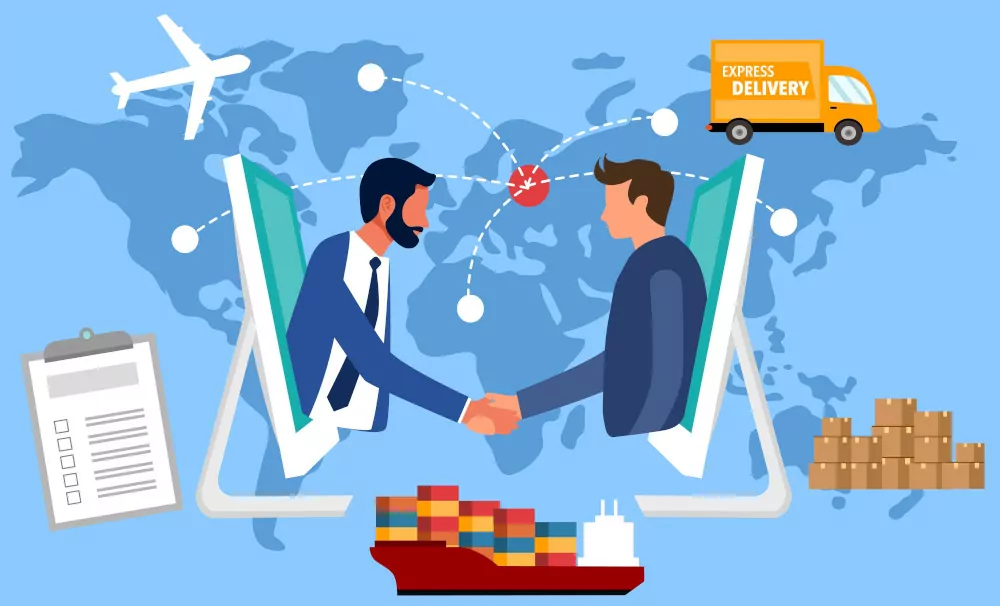
All'inizio, e-commerce transfrontaliero potrebbe sembrare intimidatorio per un principiante. Molti ingranaggi in movimento richiedono lubrificazione e miglioramento costanti, il che scoraggia molti aspiranti imprenditori.
Ma sapevi che vendere a livello internazionale utilizzando siti e piattaforme di e-commerce offre diversi fantastici vantaggi?
Esatto, e in questa sezione tratteremo alcuni vantaggi di portare la tua attività a livello globale.
Tuffiamoci.
Espansione della portata globale
L'espansione della portata globale è uno dei vantaggi più evidenti dei siti Web e delle piattaforme di e-commerce internazionale.
Hai fatto la preparazione, coltivato le relazioni e persino ho tradotto il tuo contenuto in più lingue.
E adesso?
Se vuoi espandere davvero la tua attività a livello globale, una piattaforma di e-commerce internazionale ti offre l'accesso al variegato mercato mondiale di cui hai bisogno.
Con pochi clic del mouse puoi raggiungere nuovi segmenti di pubblico e vendere a clienti in diversi paesi e aree linguistiche.
Ad esempio, il programma Amazon Seller offre accesso a oltre 310 milioni di clienti in tutto il mondo. Walmart Marketplace garantisce l'accesso a oltre 220 milioni di clienti.
Ma anche se scegli una piattaforma di e-commerce internazionale self-hosted come WooCommerce (o un'alternativa SaaS come Shopify), non c'è nulla di male nell'ampliare la tua presenza globale.
Inoltre, raggiungere un pubblico internazionale è un modo fantastico per aumentare la notorietà del marchio, la credibilità e la fiducia dei consumatori globali.
Aumento dei ricavi
Il secondo vantaggio dei siti web e delle piattaforme di e-commerce internazionale è l'aumento delle vendite e dei ricavi.
Dai, non è forse chiarissimo?
Vendere a un pubblico globale ampio e diversificato ti permette di aumentare notevolmente le vendite e i ricavi. Questo, ovviamente, rispetto ai tuoi concorrenti che non si sono ancora espansi a livello internazionale.
Esistono innumerevoli esempi di aziende che hanno implementato con successo espansione sul mercato internazionale.
Probabilmente a casa o in ufficio hai diversi prodotti di marchi internazionali. E probabilmente li hai acquistati su una piattaforma di e-commerce.
Le piattaforme di e-commerce internazionale ti offrono l'opportunità di soddisfare la domanda per i tuoi prodotti in paesi in cui i clienti non sapevano nemmeno della tua esistenza.
Inoltre, raggiungere un pubblico globale più ampio ti aiuta a diversificare il tuo mercato. Questo previene la dipendenza da un'unica fonte di reddito proveniente da un solo paese, mercato o regione.
Conveniente e disponibile 24 ore su 24, 7 giorni su 7
Un altro vantaggio dei siti web e delle piattaforme di e-commerce internazionali è che, di norma, la loro creazione e gestione risultano convenienti dal punto di vista economico.
È decisamente più conveniente lanciare piattaforme di e-commerce piuttosto che aprire negozi fisici in diversi paesi.
Non dovrai preoccuparti di spese quali l'affitto, le utenze e il personale in diverse sedi. Inoltre, i siti di e-commerce internazionali ti consentono di automatizzare i processi, riducendo ulteriormente i costi.
Inoltre, ricordate che abbiamo detto che queste piattaforme sono soluzioni software. Una volta avviate, il sito web funzionerà 24 ore su 24.
I clienti possono fare acquisti in modo rapido e in qualsiasi momento, il che è comodo e allo stesso tempo riduce i costi legati alla generazione delle vendite.
Un’altra cosa. Le piattaforme di e-commerce internazionali offrono integrazioni e servizi che semplificano il processo di evasione degli ordini. Questo ti permette di risparmiare molto tempo e denaro. Ad esempio, molte piattaforme di e-commerce saranno liete di aiutarti con la gestione del magazzino e le spedizioni.
Dati dei clienti
Un altro grande vantaggio delle piattaforme di e-commerce internazionali è che ti aiutano a raccogliere una grande quantità di dati sui clienti senza alcuno sforzo.
Le piattaforme di e-commerce sono dotate di dashboard dettagliate, strumenti e report che consentono di comprendere meglio il comportamento dei clienti, i dati demografici, le preferenze e i punti critici.
Puoi utilizzare questi dati per prendere decisioni aziendali più efficaci, migliorare i tuoi prodotti e incrementare le vendite.
Personalizzazione e localizzazione
Poiché ti consentono di comprendere meglio i tuoi clienti, le piattaforme di e-commerce rendono incredibilmente semplice personalizzare l'esperienza di acquisto.
Grazie ai dati raccolti, potrai adattare i tuoi prodotti e servizi alle esigenze dei clienti, creando così un’esperienza di acquisto personalizzata e più gratificante.
Inoltre, puoi perfezionare i tuoi contenuti e i tuoi messaggi di marketing in modo che risuonino al meglio con i clienti, il che si tradurrà in un aumento delle vendite in futuro.
Infine, puoi facilmente localizzare il tuo sito web e i tuoi prodotti per entrare meglio in contatto con i clienti di diverse aree geografiche e linguistiche.
Altri vantaggi delle piattaforme di e-commerce internazionali
Quelli sopra citati sono solo cinque dei vantaggi offerti dalle piattaforme di e-commerce. Altri vantaggi immediati includono:
- Pubblicità e marketing a prezzi accessibili;
- Facile confronto tra prodotti e prezzi;
- Risposta più rapida alle esigenze dei clienti e del mercato;
- Facile da scalare;
- Riduzione dei costi di vendita e di assistenza clienti;
- Upselling e cross-selling;
- Gestione efficiente delle scorte;
- Funzionalità di community building e integrazioni con i social media;
- E altro ancora.
Come puoi vedere, investire in una piattaforma di e-commerce presenta molti vantaggi che la rendono un'impresa vantaggiosa.
Ma ci sono svantaggi? Scommettiamo – qualsiasi cosa abbia dei vantaggi comporta anche degli svantaggi.
Svantaggi dei siti web e delle piattaforme di e-commerce internazionale

Prima di aprire un negozio online su qualsiasi piattaforma di e-commerce internazionale che condivideremo più avanti nell'articolo, è importante conoscere un po' i possibili problemi che potreste affrontare.
In questo modo, sai cosa aspettarti e puoi prepararti in anticipo. Allo stesso tempo, ti farà risparmiare molto stress inutile, denaro e tempo in seguito.
Dico questo perché alcuni di questi problemi sono costosi e richiedono tempo. Possono anche riflettersi negativamente sull'immagine e sulla reputazione del vostro marchio.
Quindi, quali sono le sfide della vendita su siti e piattaforme di e-commerce internazionale?
Continua a leggere per saperne di più.
Problemi di sicurezza
Innanzitutto, la sicurezza dei dati è una delle sfide più comuni che chiunque abbia un sito web deve affrontare.
Di tanto in tanto, leggiamo di costose violazioni di dati che hanno esposto informazioni sensibili degli utenti. Questo include nomi, numeri di telefono, numeri di carte di credito e codici fiscali.
Se sei un'azienda di e-commerce nel settore sanitario, questa include cartelle cliniche sensibili, che non vuoi finiscano nelle mani sbagliate.
È importante usare il miglior EMR per piccoli studi per garantire che questi registri siano protetti e gestiti correttamente.
Per esempio, quando Yahoo è stato violato nel 2016, la violazione ha esposto i dettagli dei tre miliardi di utenti di Yahoo. I dati rubati includevano nomi, indirizzi email e password.
Di norma, queste violazioni dei dati comportano ingenti perdite, multe e problemi legali. Ad esempio, Yahoo ha sborsato circa $470 milioni per coprire i costi delle indagini, degli accordi extragiudiziali, delle misure correttive e della gestione dei danni.
Un’altra società, Equifax, ha speso $1,4 miliardi per risolvere il problema causato da una violazione che si sarebbe potuta evitare se avessero rinnovato il proprio certificato di sicurezza.
Anche io sono stato piratato prima, quindi so quanto possano diventare frustrate le cose.
Il mio punto è che la sicurezza è una preoccupazione importante per le attività di e-commerce.
La nostra raccomandazione è di scegliere una piattaforma di e-commerce che dia priorità alla sicurezza. Se optate per la soluzione self-hosted, assicuratevi di disporre di una sicurezza di livello militare per il vostro negozio online o assumete un professionista.
Ad esempio, utilizza certificati SSL, firewall, backup e gateway di pagamento sicuri per proteggere i dati dei tuoi clienti.
Alta concorrenza
Mettersi in proprio o lanciare un negozio online per la propria attività esistente è entusiasmante.
Nella foga del momento, potresti trascurare il fatto che l'e-commerce è altamente competitivo a causa delle basse barriere all'entrata.
Voglio dire. Puoi aprire un negozio online su Shopify e renderlo operativo già oggi.
In aggiunta a ciò, alcune nicchie sono sovrappopolate, il che potrebbe rendere difficile la vendita dei vostri prodotti o servizi.
La maggior parte delle persone finisce per spendere di più in pubblicità, il che può aiutarti a far girare la voce.
Tuttavia, vi sono altri modi economici per promuovere un sito web, come SEO, email, e traduzione marketing.
Ci sono molti altri modi per farsi notare, ma il successo del tuo negozio online si riduce in ultima analisi a quanto duro lavoro ci metti.
Problemi tecnici
Sebbene la maggior parte dei siti web di e-commerce internazionali sia normalmente facile da usare, il processo manuale di creazione di un negozio online potrebbe rivelarsi difficile per le persone che non sono esperte di tecnologia.
La configurazione di un sito web di commercio elettronico funzionale potrebbe richiedere competenze tecniche in web design, SEO e ottimizzazione delle performance.
Altrimenti, potresti ritrovarti con un sito web lento e difficile da usare.
Oltre a ciò, potresti aver bisogno di competenze tecniche per risolvere eventuali problemi che potrebbero sorgere.
Ad esempio, dovresti avere le competenze per risolvere problemi con i sistemi di pagamento, incompatibilità tra plugin, problemi di grafica e altro ancora.
Se il tuo sito di e-commerce si blocca, probabilmente perderai vendite e clienti. Conviene avere alcune competenze di base per individuare la causa del problema e risolverlo rapidamente.
La cosa migliore è mantenere il tuo sito di e-commerce semplice, ma se ti mancano le competenze tecniche, ti consigliamo di assumere un esperto.
Logistica delle spedizioni
Un'altra sfida che le aziende di e-commerce spesso affrontano è la logistica delle spedizioni.
La spedizione di solito non è un problema se vendi in un negozio fisico, poiché i clienti entrano e comprano.
E se mai avessi bisogno di spedire qualcosa a un cliente, puoi sempre utilizzare i servizi di corriere locale.
Quando si vende online, le cose sono diverse poiché ci si rivolge a un pubblico globale e si farà affidamento su servizi di spedizione sia locali che internazionali.
Qui le cose si fanno complicate.
Normalmente, quando le persone acquistano online, spesso pagano un extra per la spedizione.
Questi costi di spedizione extra si basano su fattori quali il peso del prodotto, la destinazione, il metodo di consegna, la distanza, i dazi doganali e altro ancora. Ad esempio, la consegna in giornata spesso costa più della consegna standard.
Le spese di spedizione si aggiungono al prezzo totale del prodotto.
Se il prezzo totale dell'acquisto è troppo alto a causa di queste spese di spedizione, potrebbe scoraggiare gli acquirenti dal completare gli acquisti.
Allo stesso tempo, calcolare male questi costi aggiuntivi potrebbe intaccare i vostri margini di profitto.
Ora che conosciamo i vantaggi e le sfide delle piattaforme di e-commerce internazionale, diamo un'occhiata ad alcuni dei migliori attori del settore.
I migliori siti web e piattaforme di e-commerce internazionali
Non abbiamo elencato i seguenti siti e piattaforme di e-commerce in un ordine particolare.
Fai le tue verifiche prima di scegliere e seleziona sempre una soluzione adatta alle esigenze della tua azienda.
Allora, qual è la migliore piattaforma di e-commerce internazionale?
Iniziamo.
WooCommerce
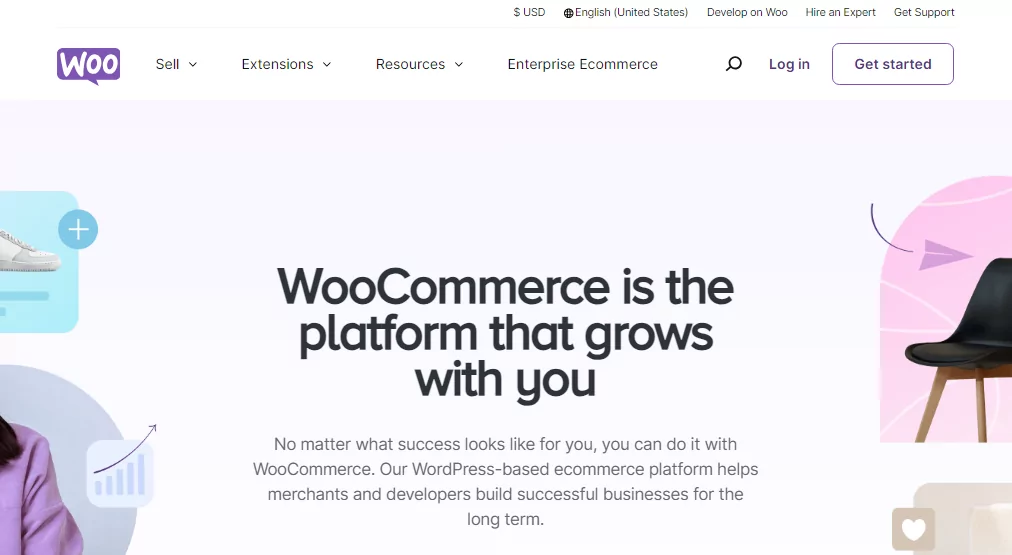
Potrei essere un po' di parte qui perché sono un grande fan di WordPress, ma WooCommerce è senza dubbio una delle migliori piattaforme di e-commerce in circolazione.
È un plugin potente per la creazione di un sito web di ecommerce utilizzando il CMS WordPress.
Pieno di numerose funzioni e opzioni entusiasmanti, è facile capire perché WooCommerce abbia oltre sette milioni di installazioni attive, secondo WordPress.org.
Innanzitutto, WooCommerce è gratis, consentendoti di avviare il tuo negozio online e di scalare man mano che la tua attività cresce. Questo significa anche che avrai la piena proprietà dei contenuti e dei dati del tuo negozio per sempre.
Per aiutarti a creare un negozio online visivamente accattivante, WooCommerce offre oltre 85 temi di qualità superiore. Puoi anche usare il tuo tema WordPress, dandoti libertà creativa.
E per aggiungere la funzionalità richiesta, hai più di 844 estensioni.
WooCommerce consente di accettare bonifici bancari, contanti, carte di credito e pagamenti mobili utilizzando oltre 100 processori di pagamento, inclusi PayPal e Stripe.
Questa piattaforma di e-commerce supporta la spedizione internazionale tramite corrieri famosi, come FedEx, UPS, USPS e Royal Mail.
WooCommerce è tradotto in più lingue. Inoltre, puoi tradurre e localizzare la piattaforma di e-commerce utilizzando il TranslatePress plugin.
TranslatePress Multilingue
Inoltre, puoi integrare WooCommerce con Plugin chatbot per WordPress offrire supporto clienti multilingue.
Se sei uno sviluppatore, puoi connettere WooCommerce a praticamente qualsiasi servizio utilizzando una potente API REST e i webhook.
Caratteristiche principali:
- Gratis;
- Molti temi ed estensioni;
- Ottimizzato per i motori di ricerca;
- Molti gateway di pagamento e opzioni di spedizione;
- Supporto multilingua;
- Gestione dell'inventario;
- App per dispositivi mobili (Android e iOS);
- Ottimo servizio clienti.
WooCommerce è una solida piattaforma di e-commerce per la vendita di prodotti fisici e digitali. È particolarmente adatta per piccole e medie imprese e per chiunque ami mettere le mani sotto il cofano.
Shopify

Quando mi sono imbattuto per la prima volta Shopify Qualche anno fa, era una normale piattaforma di e-commerce. Il processo di configurazione era confusionario e il creatore di negozi online era macchinoso.
Ma da allora molte cose sono cambiate in meglio.
Oggi Shopify è una potente piattaforma di e-commerce che ti aiuta a creare un negozio online o a vendere di persona. È scelta da più di 4,5 milioni proprietari di siti web a livello globale.
Creare un negozio è incredibilmente semplice, in quanto puoi iniziare con una prova gratuita per configurare tutto prima del lancio definitivo.
Hai un creatore di negozi drag-and-drop che ti permette di creare il tuo sito web senza alcuna conoscenza di programmazione. Tuttavia, secondo me, è adatto per la creazione di siti web semplici.
Per personalizzare il tuo design, hai accesso a 196 temi. Per aggiungere funzionalità, Shopify offre oltre App da 8k.
La piattaforma di commercio elabora i pagamenti tramite Shopify Payments, il loro processore di pagamento integrato. Tuttavia, puoi accettare pagamenti tramite oltre 100 gateway di pagamento di terze parti, ma con una commissione aggiuntiva.
Per facilitare la logistica delle spedizioni, disponi dello Shopify Fulfillment Network. Inoltre, Shopify supporta più valute e lingue.
Shopify offre un hosting veloce e sicuro con conformità PCI di livello 1 e un certificato SSL a 256 bit.
Caratteristiche principali:
- Strumenti SEO integrati;
- Vasto negozio di temi;
- Integrazioni tramite app;
- Analisi dettagliate;
- Sicurezza avanzata;
- Punto vendita;
- Strumenti di marketing integrati;
- Fantastico supporto clienti 24 ore su 24, 7 giorni su 7.
Shopify è un'ottima piattaforma di e-commerce per avviare rapidamente un negozio online o accettare pagamenti in negozio. Offre quattro piani tariffari che vanno da $24 al mese a $2.300 al mese.
Wix eCommerce
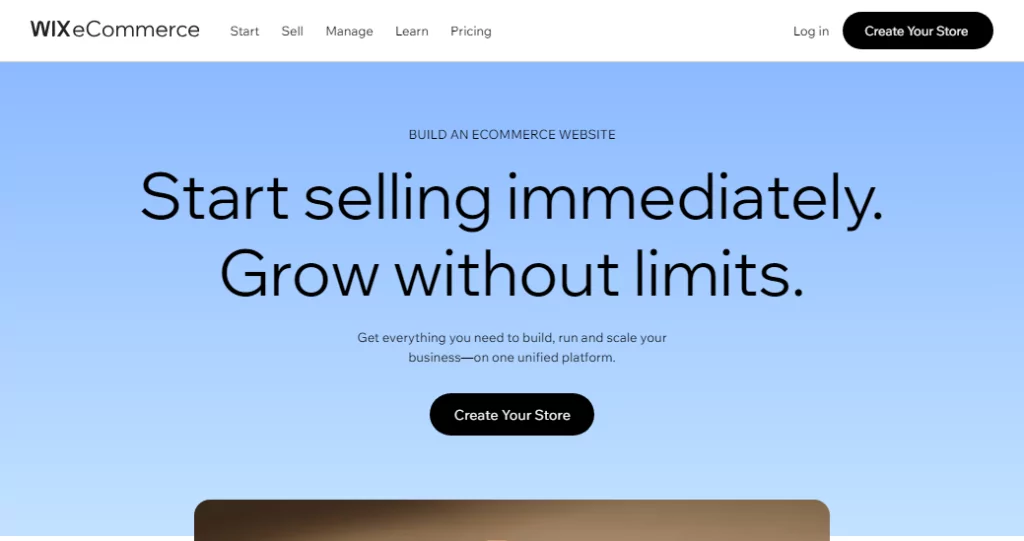
Un altro forte concorrente nella nostra lista è Wix eCommerce, la soluzione e-commerce di Wix.com scelta da 3+ milioni aziende.
Wix eCommerce è una piattaforma di e-commerce straordinariamente facile da usare, perfetta per i principianti assoluti, indipendentemente dalle loro conoscenze di programmazione. Che tu abbia mai creato un negozio online o meno, questa piattaforma fa al caso tuo.
Creare un negozio online è facilissimo, potresti vendere a livello internazionale nel giro di una settimana.
Puoi scegliere tra oltre 900 opzioni gratuite e completamente personalizzabili modelli di siti web. Personalizza il tuo modello utilizzando l'intuitivo Wix Editor, che rende semplicissima la creazione del design perfetto.
Se vuoi accelerare il processo, hai un potente Generatore di siti web basato sull'intelligenza artificiale che fa tutto il lavoro pesante.
Per potenziare il tuo sito e aggiungere integrazioni, Wix eCommerce offre una ricca negozio di applicazioni con centinaia di estensioni.
Puoi vendere sul tuo sito, di persona (utilizzando Wix Retail POS o Wix Mobile POS), su marketplace famosi (ad esempio Amazon) e gestire il tutto dalla dashboard di Wix.
Spedire con Wix è un piacere. Puoi acquistare e stampare etichette di spedizione scontate da numerosi corrieri direttamente dalla tua bacheca.
Vendere all'estero è facile grazie a Wix Multilingual, al convertitore di valute e a oltre 80 fornitori di servizi di pagamento.
Caratteristiche principali:
- Ampia libreria di modelli;
- Un mercato delle app solido;
- Strumenti di marketing integrati;
- Hosting superveloce e sicuro;
- Editor di Wix;
- Wix Retail POS e Wix Mobile POS;
- Strumento per la creazione di siti web basato sull'intelligenza artificiale;
- Eccellente supporto 24/7;
Wix eCommerce è la soluzione perfetta per creare rapidamente un negozio online. Puoi vendere prodotti fisici, prodotti digitali e tramite dropshipping (Piattaforma di Dropshipping Wix), stampa su richiesta e abbonamenti.
Il prezzo varia da $29 al mese a $159 al mese per sbloccare le funzionalità di e-commerce, da quelle di base a quelle avanzate.
BigCommerce
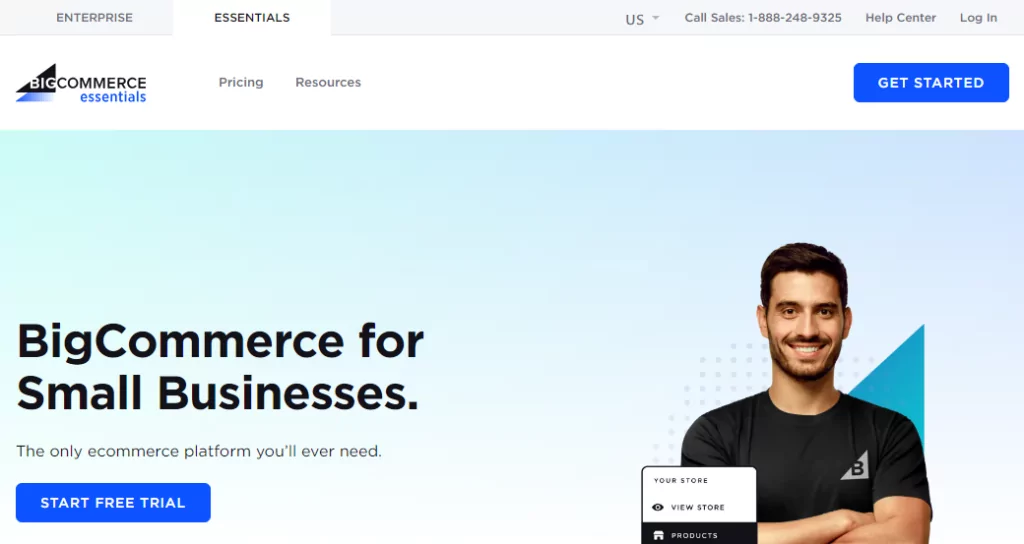
BigCommerce è una piattaforma e-commerce SaaS affidabile scelta da molte aziende, inclusi marchi famosi come BMW, Johnnie Walker e General Electric.
Con una lunga serie di funzioni di livello aziendale e una distribuzione senza soluzione di continuità, non ci sono abbastanza parole per rendere giustizia a BigCommerce. A causa del numero elevato di funzionalità, c'è una leggera curva di apprendimento per i principianti.
Una volta creato un account, puoi creare un negozio scegliendo e personalizzando uno dei tanti temi in un editor visivo di pagine. La cosa migliore è che puoi modificare direttamente l'HTML e i CSS per ottenere esattamente l'aspetto che desideri.
Inoltre, puoi ampliare ulteriormente il tuo negozio online grazie al solido Marketplace delle app di BigCommerce con centinaia di potenti integrazioni aziendali. Puoi persino integrare BigCommerce con WordPress.
BigCommerce ti permette di offrire un'esperienza davvero multicanale. Puoi vendere su più negozi online, marketplace, social media e in negozio, il tutto da un'unica dashboard.
La piattaforma e-commerce consente di accettare pagamenti in oltre 100 valute tramite molteplici gateway di pagamento come PayPal, Stripe e Apple Pay a zero commissioni di transazione.
La spedizione è gestita tramite ShipperHQ e una serie di altri partner a tariffe leader del settore.
BigCommerce è multilingue, consentendoti di localizzare e tradurre il tuo negozio online utilizzando app e API di traduzione di terze parti.
Caratteristiche principali:
- CDN globale per negozi online a caricamento rapido;
- Temi e integrazioni;
- Sicurezza di livello militare;
- Reportistica e analisi;
- Funzioni SEO integrate;
- Banda e archiviazione prodotti illimitate su tutti i piani;
- Account dello staff illimitati;
- POS per negozi;
- App mobile;
- Strumento per il recupero dei carrelli abbandonati;
- E molto altro ancora!
Detto tra noi, BigCommerce è una piattaforma potentissima, ideale per tutte le aziende, grandi o piccole che siano. È solida e altamente scalabile, ma allo stesso tempo relativamente facile da usare.
Per le piccole imprese, i prezzi variano da $29 al mese a $299 al mese, con fatturazione annuale. Per il piano Enterprise è necessario contattare il team commerciale.
Webflow Ecommerce
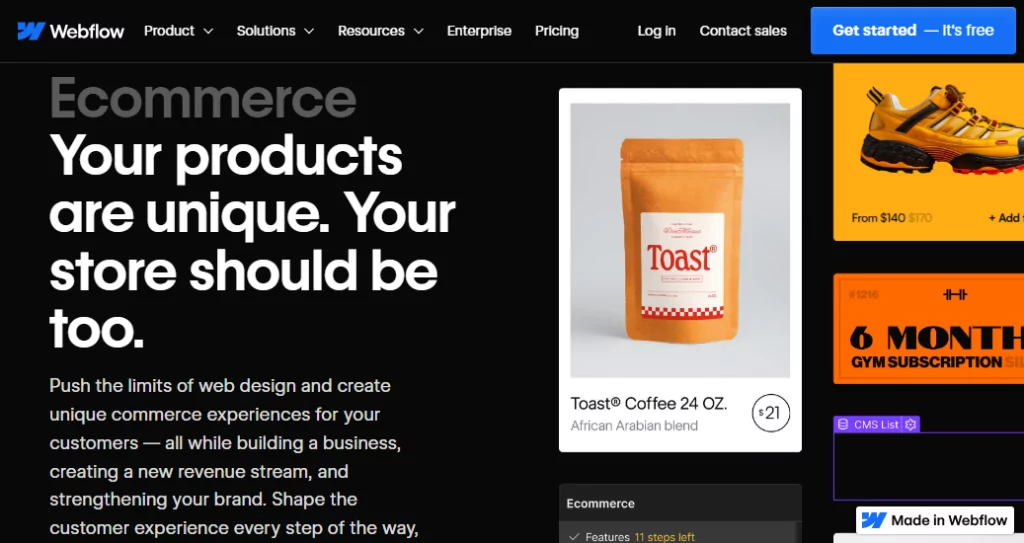
A chiudere la fila c'è Webflow Ecommerce, una piattaforma di e-commerce agile che ti aiuta a creare un negozio online accattivante senza bisogno di programmare.
E anche questi ragazzi si sono bevuti la loro stessa storia. Hanno realizzato il sito Webflow.com utilizzando – avete indovinato – Webflow!
Iniziare è facile e gratuito. Questo ti porta direttamente al page builder visivo con le istruzioni per l'onboarding. Qui puoi scegliere di creare un negozio e-commerce. Da lì, puoi iniziare a costruire il tuo negozio online. È facile come bere un bicchier d'acqua.
Si nota che queste persone hanno messo impegno nel loro generatore di pagine drag-and-drop (noto come Designer). Si inizia con un sito vuoto o si sceglie tra 2.000 modelli gratuiti e a pagamento.
Per aggiungere ulteriori funzionalità e potenziare il tuo sito web, dai un'occhiata al Marketplace delle app di Webflow con numerose integrazioni gratuite e a pagamento. Puoi anche collegare il tuo negozio a Zapier per integrarlo con un numero ancora maggiore di servizi.
Webflow ti permette di vendere prodotti fisici e digitali e di accettare pagamenti in oltre 200 paesi tramite Stripe, PayPal, Google Pay e Apple Pay.
Con Webflow la gestione degli ordini è semplicissima, poiché è possibile impostare aree di spedizione e regole personalizzate. Inoltre, è possibile creare etichette di spedizione e automatizzare il monitoraggio degli ordini.
Puoi facilmente localizzare e tradurre il tuo negozio online Webflow direttamente in Designer.
Caratteristiche principali:
- Strumento intuitivo di creazione di siti web "drag-and-drop" di Designer;
- Ottimizzato per i motori di ricerca;
- Email transazionali personalizzabili;
- 2.000 modelli personalizzabili;
- Un marketplace di app di notevoli dimensioni;
- Analisi;
- Fantastico supporto clienti 24 ore su 24, 7 giorni su 7.
Webflow è una soluzione eccezionale per creare un negozio online senza alcuno sforzo. Questa piattaforma di e-commerce è perfetta per liberi professionisti, agenzie e aziende.
I piani per l'e-commerce vanno da $29 al mese a $212 al mese, con fatturazione annuale.
Ed eccoci qui.
Abbiamo presentato cinque delle migliori piattaforme internazionali di e-commerce. In un prossimo articolo potremmo approfondire come vendere all’estero tramite marketplace online quali Amazon, Alibaba, Walmart, Tmall, eBay, Wayfair e altri ancora.
Detto questo, quale sito web o piattaforma di e-commerce dovresti scegliere? Ecco la mia breve opinione.
Riepilogo: Siti web di e-commerce internazionale
- WooCommerce – A mio avviso, la soluzione migliore in assoluto se vuoi creare una piattaforma di e-commerce completa. È perfetta anche per chi ama armeggiare con il codice e le impostazioni. A seconda del tuo inventario, l’avvio di un negozio online può richiedere un po’ di tempo, ma ne vale la pena. Hai a disposizione tantissime opzioni di personalizzazione con cui è divertente sperimentare, ma ricorda che alcune estensioni possono diventare costose.
- Shopify – Si tratta di una piattaforma di e-commerce versatile che permette di diventare operativi in poco tempo. Le funzionalità offerte sono interessanti, ma, in base alla mia esperienza, lo strumento per la creazione del negozio online è un po’ complicato da usare. Nel complesso è una buona opzione, soprattutto se stai pensando di dedicarti al dropshipping utilizzando Oberlo e AliExpress.
- Wix commercio elettronico – Una fantastica piattaforma di e-commerce pensata appositamente per i principianti assoluti. Offre un editor visivo intuitivo e numerose opzioni, senza lo stress mentale che comportano le piattaforme complesse.
- BigCommerce – Una potente piattaforma di e-commerce, ideale per le grandi aziende e le imprese in fase di espansione.
- Webflow Ecommerce – Come Wix.
Allora, qual è la tua piattaforma di e-commerce preferita? Condividi la tua opinione e suggeriscici come migliorare l'articolo nella sezione commenti. Se questo post ti è piaciuto, non andartene senza condividerlo.
Buona creazione e in bocca al lupo per il tuo successo!



Se si vendono temi e plugin per WordPress a livello internazionale, anche Freemius rappresenta un'ottima opzione.
Esatto, Nathan. Grazie per essere passato e per il consiglio.
Ottimo post, Freddy! Hai analizzato davvero bene le piattaforme di e-commerce internazionali. Una domanda veloce, però: come consiglieresti di trovare un equilibrio tra funzionalità e costi nella scelta di una piattaforma? È facile sentirsi sopraffatti da tutte le opzioni disponibili.
Ciao Rafael! Grazie per aver letto il post e per il tuo commento. Ti consiglierei di scegliere la piattaforma di e-commerce che offre le funzionalità di cui la tua attività ha bisogno, pur rimanendo entro i limiti del tuo budget. Ti è tutto chiaro? Oppure cosa intendevi dire?