

In questo post
Stai riscontrando difficoltà nel creare la giusta strategia di espansione di mercato per avventurarti in nuovi mercati? Vuoi portare la tua attività a livello globale, vero?
Se è così, immergiamoci subito.
Creare una strategia di espansione del mercato di successo per la vostra azienda è più difficile di quanto la maggior parte dei leader aziendali inizialmente supponga.
I growth manager alle prime armi spesso pensano che sia semplice come replicare la loro strategia di crescita locale. Questo finché non falliscono miseramente.
Se tutto questo è nuovo per te...
Espansione in nuovi mercati comporta molto più del semplice copia-incolla di ciò che funziona nel tuo mercato domestico. Le strategie di espansione internazionale richiedono grande attenzione poiché ci sono molte variabili che perfino i migliori dirigenti trascurano.
E sai qual è la parte divertente?
L'esecuzione di strategie di espressione di successo sul mercato non rappresenta una sfida solo per le piccole imprese. Neanche le grandi aziende con grandi reparti di marketing e budget enormi ne sono risparmiate.
In passato, molti marchi famosi hanno fallito clamorosamente nell'implementare strategie di espansione internazionale.
Famosi esempi includono Home Depot in Cina, Starbucks in Israele e Walmart in diversi paesi. Parleremo di come queste aziende hanno fallito più avanti nell'articolo. Riderete quando sentirete la storia del fallimento di Walmart in Corea, quindi restate nei paraggi per quella 😀
Andiamo avanti.
Secondo un recente sondaggio, la crescita rappresenta una priorità assoluta per oltre 51% di amministratori delegati Rapporto di Gartner, non puoi permetterti di restare indietro.
Voglio dire…
Portare i vostri prodotti in più paesi è un modo fantastico per alimentare la crescita e rimanere competitivi in un'economia sempre più globalizzata.
Se rimarrete indietro con i vostri sforzi di internazionalizzazione, perderete un sacco di soldi e diventerete irrilevanti.
Ora non vorresti questo, vero?
Nel post di oggi, condividiamo semplici modi per espandere la tua attività in nuovi mercati senza stress.
Cos'è una strategia di espansione nel mercato internazionale?

Prima di entrare nei dettagli, quale animale stiamo definendo come strategia di espansione del marketing internazionale?
Nella sua forma fondamentale, una strategia di espansione del marketing internazionale è un piano che delinea come la vostra azienda si espanderà, guadagnerà denaro e prospererà nei paesi stranieri.
La strategia di espansione del mercato comprende tutte le iniziative e le metodologie che adotterete per penetrare nei mercati esteri lontani dal vostro paese.
In altre parole, è un piano dettagliato che mostra al vostro team come l'azienda intende realizzare l'espansione globale, aumentando al contempo i profitti e riducendo i rischi associati a queste frontiere mai esplorate prima.
Molto meglio, vero?
Puoi considerarlo come il piano generale di dominazione mondiale per la tua azienda.
A prima vista, sembra piuttosto semplice – insomma, una di quelle cose che si potrebbero abbozzare su un tovagliolo mentre si beve un caffè. Quanto potrà mai essere difficile, ad esempio, per la tua azienda con sede negli Stati Uniti vendere prodotti in Sudafrica?
Lo fanno tutti. Lo fa Apple. Lo fa Google. Lo ha fatto Facebook.
Ma la cattiva notizia è che non è facile ideare una strategia di espansione del mercato che produca i risultati desiderati. Devi riflettere attentamente sulla tua strategia di espansione nel mercato internazionale e coinvolgere tutte le parti interessate.
L'espansione in nuovi mercati può assumere molte forme, quindi ci sono molte opzioni tra cui scegliere. Avere una buona comprensione delle strategie di espansione internazionale a vostra disposizione può aiutare a determinare cosa sia più adatto alla vostra azienda.
Ecco alcune strategie comuni di espansione del mercato di riferimento da esplorare.
Le 7 principali strategie di espansione del mercato

Esistono diverse strategie (o modi) per internazionalizzare la tua azienda. Puoi attenerti a una sola strategia o combinarne diverse a seconda delle tue esigenze, del tuo budget e del tipo di attività, tra le altre cose.
A prescindere dalle strategie che deciderai di mettere in atto, è importante scegliere sempre quelle più adatte ai tuoi obiettivi aziendali. Se una strategia non dovesse funzionare, potrai sempre perfezionare o rivedere il tuo approccio oppure optare per qualcosa di completamente diverso.
Mettiamoci all'opera.
1. L'esportazione dei propri prodotti come strategia di espansione del mercato
Produci prodotti fisici? In tal caso, esportare tali prodotti in un altro Paese rappresenta una valida strategia di espansione del mercato da adottare. Questo approccio ha dato ottimi risultati a molti produttori in tutto il mondo.
Non mancano gli esempi che dimostrano questa strategia di espansione del mercato in azione.
I produttori di auto come Toyota e Hyundai mettono in atto questa strategia di espansione del mercato in modo efficace per raggiungere clienti in tutto il mondo.
Ti serve un altro esempio?
Considera la strategia che i produttori cinesi usano per raggiungere un pubblico globale.
Per esempio, la maggior parte dei nostri prodotti elettronici, dell'abbigliamento e di altri articoli presenti nelle nostre case è prodotta in Cina, rendendo nel contempo miliardari alcuni imprenditori.
Basti dire che si possono trovare prodotti made in China negli angoli più remoti del globo. Questa, amico mio, è l'espansione del mercato al suo meglio.
In qualità di produttore negli Stati Uniti, non è necessario reinventare la ruota. Basta adattare la strategia per entrare ed espandersi in nuovi mercati in tutto il mondo.
Detto questo, potete vendere direttamente a clienti stranieri o collaborare con commercianti terzi come agenti di esportazione, distributori e società di trading.
Inoltre, insieme al vostro sito ufficiale e ad altri canali digitali, potete vendere su molti mercati online che si rivolgono a un pubblico globale.
Con un marketing e un posizionamento strategici, puoi espandere rapidamente la tua portata di mercato sia offline che online.
2. Franchising e Licensing
Fin dalla loro nascita, aziende come KFC, McDonald's e Calvin Klein hanno varcato i confini internazionali.
E sai come hanno ottenuto questa espansione esponenziale del mercato per i loro prodotti?
L'hai indovinato.
Hanno tutti messo in pratica il franchising e la licenza. E funziona!
Detto questo, qual è la differenza tra franchising e licensing?
Probabilmente lo sai già, ma se hai appena iniziato o hai bisogno di un promemoria:
- Affiliazione commerciale – Con questo modello, permetti ad aziende di altri paesi di utilizzare il modello di business e il marchio della tua azienda. In questo modo, penetri in più mercati e ottieni entrate da commissioni iniziali di franchising e royalty periodiche. KFC, Hilton e Starbucks ne sono i principali esempi;
- Licenziare – Questa strategia consiste nel concedere ad aziende straniere il diritto di utilizzare la proprietà intellettuale della vostra azienda. Ciò include marchi, brevetti e diritti d'autore. Ampliate il vostro mercato e guadagnate entrate tramite le royalty. Questo è ciò che fanno Calvin Klein, Nike e The Walt Disney Company.
Per saperne di più su questa strategia di espansione del prodotto, sentiti libero di dare un'occhiata a questo Franchising vs. Licensing: Qual è la differenza? articolo di NerdWallet.
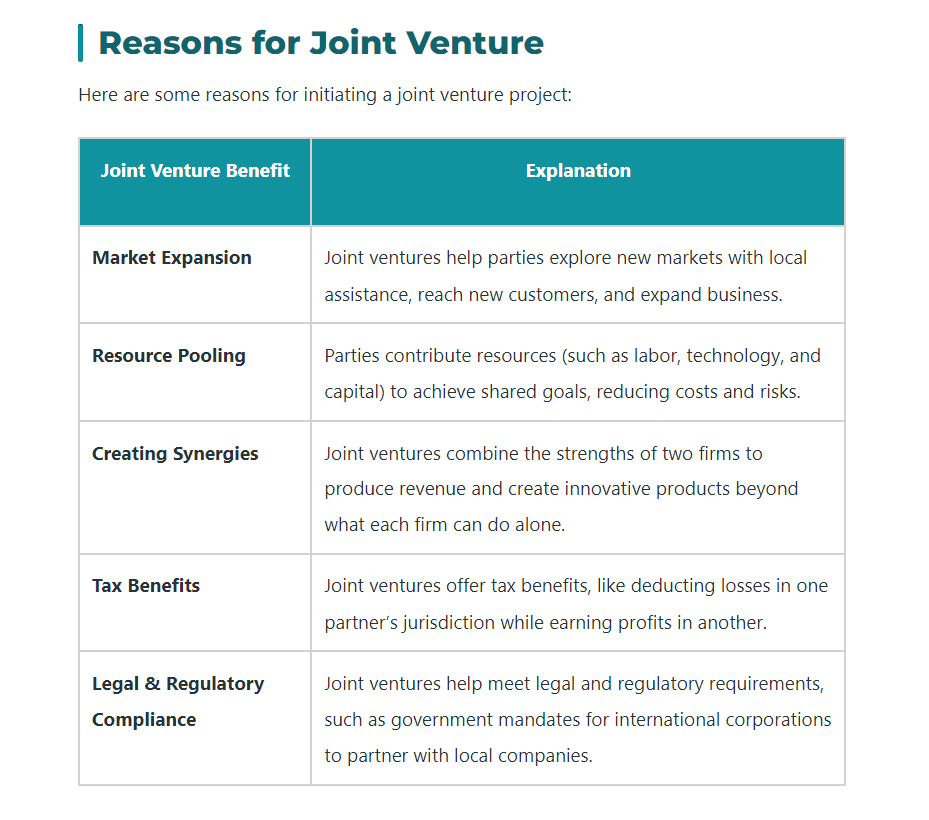
3. Le joint venture come strategia di espansione del mercato
Un'altra popolare strategia di espansione del mercato è costituita dalle joint venture. Con questo modello, la vostra azienda stringe una partnership con imprese di altri paesi per avviare una nuova azienda o lavorare insieme a nuovi progetti.
Come funziona il tutto?
Per esempio, diciamo che ho ereditato un'azienda ABC che possiede piantagioni di cacao di alta qualità ma manca delle risorse per costruire fabbriche per lavorare il mio raccolto.
Nel frattempo, dall'altra parte del mondo, possiedi un'azienda XYZ con le risorse per lavorare i prodotti ortofrutticoli, ma ti manca una fonte affidabile di cacao.
Possiamo unire le forze e formare un'azienda formidabile che produce prodotti a base di cacao come cioccolato e così via. Possiamo chiamare la nostra nuova joint venture come vogliamo. Diciamo, la società COCO-AYZ.
Da un lato, fornisco abbondante cacao di prima scelta per far funzionare la nostra nuova azienda (e tenere lontani i creditori insistenti).
D'altra parte, tu fornisci le risorse di cui abbiamo bisogno per avviare e far crescere la nostra nuova azienda.
Attraverso la nostra joint venture, possiamo collaborare efficacemente per portare i prodotti finali a un mercato più ampio e goderne i frutti.
Spero che sia un esempio decente.
Se no, ecco esempi popolari di aziende che hanno formato joint venture di successo:
- Molson Coors e SABMiller;
- Microsoft e General Electric;
- Walmart ed Eko;
- Boeing e Lockheed Martin;
- The Walt Disney Company, News Corporation, NBC Universal di Comcast e Providence Equity Partners;
- BMW e Brilliance Auto Group.
Devi avere familiarità con le suddette aziende.
O no.
Ciò che probabilmente conoscete sono le joint venture nate quando le suddette aziende hanno unito le forze. Ad esempio, Molson Coors e SABMiller hanno dato vita a MillerCoors.
Probabilmente hai anche familiarità con Hulu, che è la joint venture formata per trasmettere i programmi dei giganti dei media sopra menzionati.
Riesci a indovinare quali aziende ci hanno portato Sony Ericsson?
4. Acquisizioni e fusioni come strategie di espansione del mercato
Un'altra efficace strategia di espansione del mercato è rappresentata da fusioni e acquisizioni.
L'acquisizione, come suggerisce abilmente il nome, comporta l'acquisto e il controllo di aziende in paesi stranieri.
Invece di partire da zero, hai un trampolino di lancio già pronto.
L'acquisizione offre alla vostra azienda diversi vantaggi, tra cui:
- Minore concorrenza;
- Esperienza del cliente migliorata;
- Accesso a una base di clienti consolidata;
- Canali di distribuzione consolidati;
- Quota di mercato;
- Accesso a tecnologia e sistemi che già funzionano nel mercato estero;
- E altro ancora.
Ciò rende anche l'ingresso nel mercato molto più semplice.
D'altra parte, una fusione comporta l'unione di due aziende in una sola. Quindi, invece di lanciare la tua catena di supermercati in un paese diverso, potresti fonderti con un'azienda esistente per ottenere gli stessi vantaggi offerti dall'acquisizione.
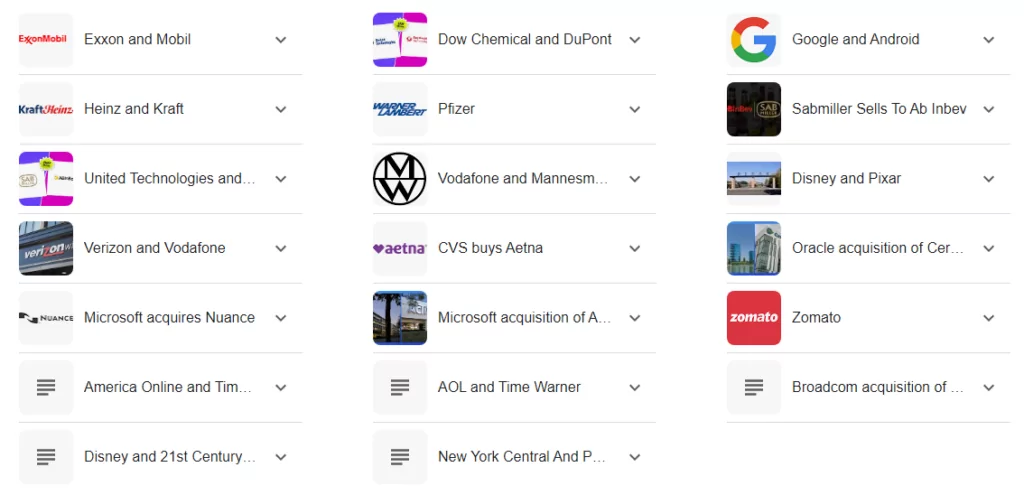
Nella maggior parte dei casi, acquisizioni e fusioni vanno di pari passo. Esistono molti esempi di aziende che hanno attuato con successo questa strategia di espansione del prodotto.
Se lo chiedete a chiunque sia alle prime armi, probabilmente vi dirà che Android è una creazione di Google. Ma molti non sanno che Google ha acquisito Android per $50 milioni nel 2005. Ciò ha permesso a Google di entrare per la prima volta nel mercato della telefonia mobile.
Ecco altri esempi di acquisizioni e fusioni.
5. E-commerce e espansione digitale
L'e-commerce e l'espansione digitale come strategia per espandersi in nuovi mercati sono quasi autoesplicativi.
Beh, a meno che tu non viva su un altro pianeta (nel qual caso non staresti leggendo questo articolo).
Internet ha reso incredibilmente facile raggiungere un pubblico vasto e globale. Ha eliminato le barriere geografiche e fisiche tradizionali che in passato rendevano l'espansione un po' difficile.
Oggi è possibile creare e lanciare campagne di marketing digitale di successo direttamente dalla propria scrivania con pochi clic. L'e-commerce e il marketing digitale internazionale sono strumenti efficienti e convenienti per qualsiasi azienda che cerchi di espandersi oltre il mercato domestico.
Ci sono tantissime risorse per saperne di più sull'e-commerce internazionale e sul marketing digitale che probabilmente non possiamo elencare tutto qui.
Tuttavia, ho trovato un rapido rapporto in PDF che riassume strategie globali di e-commerce e marketing digitale.
Ecco alcuni punti che ho raccolto dal rapporto se non hai tempo:
- È facile da implementare ma comporta le sue sfide, proprio come qualsiasi altra strategia di espansione del mercato;
- L'e-commerce consente di raggiungere clienti ovunque nel mondo, per vendere sia al dettaglio che all'ingrosso;
- Esistono innumerevoli strategie di marketing digitale che puoi utilizzare per costruire una presenza globale;
- Preparati a navigare in terreni complessi che includono adattamento culturale, logistica delle spedizioni internazionali, localizzazione dei contenuti, e la gestione di varie normative e standard;
- Puoi raccogliere molti dati utili per le tue campagne di marketing facilmente;
- SEO multilingue, il content marketing, i social media e la pubblicità online a pagamento sono cruciali;
- Scegli le piattaforme giuste, inclusa la tua strumento di traduzione.
Molte aziende hanno implementato questa strategia con un discreto successo nel corso degli anni. Il mio esempio preferito è Dollar Shave Club, che ha usato un video semplice ma umoristico per dare il via a quella che ora è un'azienda globale da molti miliardi di dollari.
Questo video:
Ci sono così tante altre aziende di e-commerce di successo che non possiamo elencarle qui.
Ma esempi evidenti includono del calibro di Amazon, eBay, AppSumo, Shopify, Warby Parker, Gymshark, e l'elenco potrebbe continuare all'infinito.
Letture correlate: Cos'è l'e-commerce transfrontaliero (+ Consigli su come implementarlo).
6. Alleanze strategiche e partnership come strategie di espansione del mercato
Non riesci ancora a capire come ti espanderai nei mercati esteri?
Bene, date un grande benvenuto alle alleanze strategiche e alle partnership.
Prima di andare oltre, vorrei menzionare che anche le joint venture sono un tipo di alleanza strategica.
In questo paragrafo, discuteremo alleanze e partnership strategiche che non comportano la creazione di un'entità legale separata, come invece avviene per le joint venture.
Innanzitutto, cosa sono le alleanze o i partenariati strategici? Spoiler: sono esattamente ciò che pensate.
In parole semplici...
Le alleanze strategiche e le partnership sono collaborazioni tra la vostra azienda e soggetti stranieri o enti governativi.
In secondo luogo, questo tipo di strategie di espansione internazionale comporta molti vantaggi.
Puoi:
- Perseguire obiettivi comuni come lo sviluppo di prodotti, la ricerca, le strategie di accesso al mercato e le iniziative di marketing in territori esteri;
- Condividere costi e potenziali rischi;
- Condividere competenze e tecnologia;
- Ottenere l'accesso a canali di distribuzione di cui si avverte il bisogno;
- Osserva le leggi e i regolamenti locali senza intoppi;
- E altro ancora.
L'obiettivo principale e il vantaggio per la vostra azienda, naturalmente, è l'espansione del mercato.
Ad esempio, se sei un'azienda di infrastrutture che cerca di espandersi in altre parti del mondo, conviene stabilire alleanze strategiche con le autorità locali nei paesi di tuo interesse. Altrimenti, le tue strategie di espansione internazionale incontreranno una resistenza tremenda da parte della popolazione locale.
Sai, come questa gente: La popolazione locale indonesiana si oppone agli investimenti infrastrutturali cinesi.
7. Greenfield Investments and Subsidiaries
Per ultimi, ma non per importanza, abbiamo quelli che vengono definiti investimenti *greenfield* e le filiali.
Un investimento greenfield è una strategia di espansione del mercato che prevede la creazione di nuove attività, entità, filiali o strutture in Paesi stranieri
Il termine greenfield deriva dal fatto che, nella maggior parte dei casi, l'azienda, spesso un'organizzazione multinazionale, avvia una nuova impresa da zero. Costruendo uffici, centri di distribuzione, impianti di produzione e alloggi. Spesso questo comporta l'aratura e la preparazione di un campo verde.
Gli investimenti greenfield e le filiali consentono alla vostra azienda di:
- Costruisci strutture personalizzate;
- Avere un maggiore controllo sulle operazioni;
- Avere maggiore autonomia e flessibilità;
- Stabilisci una forte presenza locale.
Si noti, tuttavia, che questa strategia di espansione del mercato comporta investimenti iniziali significativi e rischi più elevati.
Ora che sapete cos'è una strategia di espansione nel mercato internazionale e alcune delle strategie che potete utilizzare, passiamo ai benefici.
I 7 principali vantaggi dell'espansione nel mercato internazionale

Secondo un Rapporto di Wells Fargo, l'87% delle aziende statunitensi ritiene che l'espansione sui mercati internazionali sia necessaria per la crescita a lungo termine.
Inoltre, il 69% degli intervistati concorda sul fatto che i mercati emergenti offrano le maggiori opportunità di crescita.
Tuttavia, molte aziende statunitensi devono ancora portare la loro attività a livello globale.
Se siete ancora indecisi, i seguenti benefici dell'espansione internazionale potrebbero darvi la spinta di cui avete bisogno.
1. Base di consumatori ampliata
Il vantaggio più evidente dell'espansione internazionale è una base di clienti ampliata.
Portare la tua attività in altri paesi ti consente di accedere a mercati inesplorati che potrebbero essere saturi o non disponibili nel tuo paese d'origine.
Sfruttando mercati e segmenti di clientela nuovi e diversificati, potete espandere in modo significativo la vostra base di consumatori e aumentare il vostro potenziale di reddito.
2. Maggiore visibilità del marchio
L'esecuzione di una strategia di espansione internazionale di successo aiuta a incrementare la notorietà e la reputazione del marchio in tutto il mondo.
Un'immagine di marca positiva rafforza la fiducia dei consumatori, il che attira più clienti e fedeltà alla marca.
Un maggior numero di clienti e una migliore fedeltà alla marca culminano nella promozione del marchio e nel marketing del passaparola.
Tieni presente che 70% di clienti acquistano di più dai marchi di cui si fidano, e le persone spendono 25% in più su marchio di fiducia.
3. Diversificazione delle fonti di ricavo
Dipendere da un'unica fonte di ricavo nel vostro mercato domestico può esporre la vostra azienda a fluttuazioni economiche ed eventi imprevisti.
Portare la tua azienda a livello globale, d'altro canto, ti consente di diversificare i tuoi flussi di entrate e distribuire i rischi.
Se la vostra azienda non sta andando molto bene in un mercato, potete compensare le perdite ottenendo successo in un altro mercato.
Inoltre, un mercato internazionale ti offre la possibilità di introdurre nuovi prodotti, il che può avere un impatto positivo sulle tue entrate.
Coca-Cola è un buon esempio di questo. L'azienda continua a registrare buone performance in molteplici regioni introducendo regolarmente nuovi marchi.
4. Vantaggio Competitivo
L'espansione in nuovi mercati offre alla vostra azienda un vantaggio competitivo rispetto ai concorrenti che operano solo a livello nazionale.
In primo luogo, i clienti credono che siate un'azienda innovativa che ha a cuore i loro interessi.
In secondo luogo, l'internazionalizzazione consente di stabilire sistemi e una presenza di mercato in un numero maggiore di mercati rispetto ai vostri concorrenti.
“L'accesso a tecnologie innovative, risorse più economiche e la capacità di adattarsi a diverse norme culturali consentono loro di offrire prodotti e servizi unici che attraggono un pubblico più ampio. – Dr. Ariel King, LinkedIn.
5. Accesso a un bacino di talenti diversificato
Un altro vantaggio dell'espansione nel mercato internazionale è l'accesso a un bacino di talenti più ampio e diversificato.
Perché è importante?
Assumere competenze e professionalità internazionali porta creatività, diversità, lingue diverse e innovazione nella vostra azienda.
Ciò favorisce culture lavorative inclusive e dinamiche che aumentano la produttività.
6. Opportunità di investimento estero
Operare esclusivamente sul mercato nazionale può impedirvi di cogliere varie opportunità di investimento estere disponibili per le aziende globali.
Ad esempio, portare la tua azienda a livello globale può offrirti accesso a risorse più economiche e nuove tecnologie, aiutando il tuo business a crescere rapidamente.
Inoltre, molti governi stranieri offrono incentivi lucrativi come sgravi fiscali, commissioni e prestiti alle aziende che cercano di investire nei loro paesi.
7. Economie di scala
Uno dei vantaggi più sottovalutati dell'espansione in nuovi mercati è rappresentato dalle economie di scala.
Servire i mercati internazionali significa gestire una base di clienti più ampia con esigenze diverse.
Questo significa che devi aumentare la produzione, il che riduce il costo per unità.
Le aziende globali che beneficiano di economie di scala possono ridurre i costi di produzione e aumentare la redditività.
Liberati dei benefici, passiamo ora ad esaminare come sviluppare un'efficace strategia di espansione del mercato per la vostra azienda.
Come creare una strategia di espansione del mercato

Sebbene possa sembrare scoraggiante all'inizio, sviluppare un'efficace strategia di espansione del mercato è facile se si ha la giusta mentalità e si sa quello che si sta facendo.
Detto questo, è importante creare una strategia che copra tutto, dalla preparazione, all'esecuzione, alla misurazione dei risultati.
Entriamo nel vivo.
1. Definisci i tuoi obiettivi
Il primo passo nella creazione di una strategia di espansione del mercato è definire i propri obiettivi. Non si può semplicemente agire all'improvviso e sperare che qualcosa funzioni.
Cos'altro ti permetterà di sapere se la tua strategia di espansione del mercato sta funzionando, se non hai obiettivi ben definiti e misurabili?
Tenendo presente questo, cosa speri di ottenere con la tua strategia di espansione internazionale?
Stai cercando di:
- Aumentare vendite e fatturato?
- Aumentare la notorietà del marchio?
- Lanciare nuovi prodotti?
- Stabilire nuovi mercati?
- Migliorare la redditività?
- Ricerca e sviluppo di prodotti?
- Ridurre i costi?
- Acquisire nuove risorse?
Questi sono alcuni degli obiettivi da considerare quando si definisce lo scopo dell'espansione.
Definisci obiettivi chiari che guidino il tuo team nell'esecuzione di una strategia di successo.
Altrimenti, la vostra strategia sarà difettosa fin dall'inizio. Sarete come una gallina senza testa, che corre qua e là finché non barcollate fuori dal nuovo mercato e rinunciate ai vostri piani di espansione.
Con un chiaro proposito, procediamo al passaggio successivo.
2. Condurre ricerche di mercato approfondite
Non ripeteremo mai abbastanza che precipitarsi a espandersi in nuovi mercati senza una ricerca adeguata vi si rivolterà inevitabilmente contro.
C'è davvero domanda per i vostri prodotti o servizi nella nuova regione che state prendendo di mira?
Una ricerca solida dovrebbe essere il fondamento della vostra strategia di espansione nel mercato.
Perché?
Una ricerca solida ti permette di:
- Identificare i mercati potenziali;
- Comprendi la concorrenza;
- Accedi ai comportamenti e alle preferenze dei consumatori locali;
- Analizzare i dati demografici del mercato;
- Determinare la domanda e le opportunità.
Ad esempio, se vendi attrezzatura da sci, non vorresti sprecare risorse facendo marketing in mercati tropicali.
Ecco un altro esempio divertente.
Perché Walmart non ha fatto un lavoro preparatorio adeguato quando si sono espansi in Corea, hanno installato scaffali più alti rispetto ai rivali locali.
Di conseguenza, gli acquirenti coreani sono stati costretti ad allungarsi o a usare le scale per raggiungere gli articoli sugli scaffali alti 😀
Inoltre, hanno fallito miseramente nell'identificare le abitudini di acquisto coreane.
I coreani preferiscono tipicamente le uscite quotidiane in vari negozi locali rispetto a fare la spesa una volta alla settimana da Walmart.
“Hanno pile di merci in scatole”, ha detto Lee Jin Sook, 46 anni, una casalinga seduta su una metropolitana a Seoul. “Questo può andare bene per alcune casalinghe americane che guidano le proprie auto”. Ma i coreani, ha detto, preferiscono confezioni più piccole: “Perché dovreste comprare una scatola di flaconi di shampoo?”
Hanno commesso errori analoghi e catastrofici in Brasile, come si può leggere in questo articolo: Il percorso di Walmart in Brasile: una storia di ascesa, declino e acquisizione.
Servono altri esempi di aziende che hanno fallito a causa di ricerche di mercato inadeguate? Home Depot, Mattel e eBay hanno fallito disastrosamente in Cina.
Ed ecco perché Starbucks ha fallito in Israele e non è riuscito a ottenere successo in Australia.
3. Definisci il tuo pubblico di riferimento
Uno dei motivi principali per cui questi giganti hanno fallito nei mercati esteri è che non hanno compreso il cliente sul posto.
La maggior parte delle aziende ha cercato di imporre lo stile e i profili del pubblico di riferimento che avevano funzionato nei negozi americani.
Pensarono: se funziona negli Stati Uniti, perché non dovrebbe funzionare in Corea del Sud o in Cina?
Se si sbagliavano!.
Certo, state vendendo gli stessi prodotti, ma non fate l'errore di dare per scontato che i nuovi mercati abbiano le stesse esigenze e interessi.
Ecco perché il profilo del vostro pubblico di riferimento americano non funzionerà in un mercato straniero.
Definire i pubblici di riferimento per diversi mercati da zero sulla base delle ricerche di mercato.
Non darti la zappa sui piedi. Puoi imparare di più da Neil Patel in Come trovare il tuo pubblico di riferimento.
4. Sfrutta il marketing digitale
In precedenza, abbiamo menzionato che internet ha reso incredibilmente facile raggiungere clienti in qualsiasi parte del mondo.
Per accelerare l'ingresso e l'espansione nel mercato, utilizzate tutti gli strumenti e le tecnologie di marketing digitale a vostra disposizione.
Hai molte opzioni in questa zona.
In primo luogo, puoi impiegare ottimizzazione per i motori di ricerca (SEO) apparire nei risultati di ricerca locali nei mercati esteri.
Altrimenti, i potenziali clienti potrebbero non trovare mai la vostra attività anche quando stanno cercando i prodotti che offrite.
In secondo luogo, ricorrete al social media marketing rivolto ai clienti nei vostri mercati di riferimento. Tenete presente che alcune piattaforme di social media sono più importanti in determinati mercati rispetto ad altri.
Pertanto, è necessario essere strategici nella progettazione delle campagne.
In terzo luogo, non dimenticare l'email marketing.
Se implementato correttamente, L'email marketing presenta un ROI elevato pari a 4.000%!
Inoltre, avvia campagne di content marketing mirate a queste nuove regioni.
Se hai bisogno di un piccolo aiuto, dai un'occhiata a questa comoda guida in PDF di HubSpot: Manuale di marketing globale.
Infine, non dimenticate di implementare soluzioni di e-commerce e di utilizzare i marketplace online per raggiungere più clienti.
5. Conformità alle leggi e ai regolamenti
Immagino sia piuttosto semplice e di competenza del vostro ufficio legale.
Prima di espandervi a livello internazionale, assicuratevi che la vostra strategia, il vostro modello di business e la vostra offerta di prodotti non stiano infrangendo alcuna legge.
Paesi diversi hanno requisiti legali diversi per gli investitori stranieri.
Quindi, consulta il tuo avvocato per evitare spiacevoli sorprese sotto forma di battaglie legali e pesanti multe.
6. Localizzazione e Traduzione
Secondo CSA Ricerca, 76% di consumatori in 29 paesi hanno dichiarato di preferire l'acquisto di prodotti con informazioni nella propria lingua madre.
Inoltre, il 40% dei consumatori ha dichiarato che non acquisterebbe mai da un sito web in altre lingue. È facile intuire cosa ciò comporti per le vostre strategie di espansione internazionale.
Quando ti espandi in nuovi mercati, assicurati di offrire prodotti e servizi nelle loro lingue madri. Ciò significa che devi creare un sito web con una localizzazione e traduzioni efficaci.
La localizzazione significa offrire un'esperienza utente che entri in sintonia con la gente del posto. Ciò significa modificare la confezione del prodotto, tra le altre cose.
La traduzione comporta la conversione dei contenuti del tuo sito web in altre lingue.
Non dimenticare che la localizzazione e la traduzione richiedono una buona padronanza delle sfumature e delle preferenze culturali.
Per tua fortuna, localizzare e tradurre il tuo sito web non deve essere una sfida con uno strumento come TranslatePress.
TranslatePress è una soluzione intuitiva per la traduzione e la localizzazione di siti web, che rende l'espansione multilingue alla portata di aziende grandi e piccole.
TranslatePress Multilingue
Conclusione
Ci auguriamo che questa lettura approfondita vi abbia fornito il modello necessario per elaborare una strategia di espansione di mercato sostenibile.
Abbiamo delineato i vantaggi, le strategie e alcuni aspetti da considerare nella formulazione della vostra strategia di espansione internazionale.
Mentre ci si espande in nuovi mercati, conviene iniziare con una ricerca approfondita per evitare errori comuni.
Dopodiché, metti sempre al primo posto le esigenze dei tuoi clienti e rispetta la loro cultura e le loro leggi.
Qual è la tua conclusione principale?
Condividi i tuoi consigli, pensieri e suggerimenti nella sezione dei commenti qui sotto.



Brillantemente articolato, hai colto perfettamente l'essenza, proprio come il miglior DJ di musica elettronica che padroneggia una traccia.
Grazie Devante per essere passato e per il complimento!