
In questo post
Ti stai chiedendo quali siano i benefici della traduzione? Se è così, non sei il solo.
Spesso capita di sentire molti principianti che fanno domande del tipo:
- Dovrei tradurre il mio sito web?
- Quali sono i benefici della traduzione?
- La traduzione di un sito web è un investimento valido?
- Quali sono i benefici delle traduzioni automatiche?
- E domande simili.
Se ti trovi in una situazione del genere, non preoccuparti minimamente.
Nell'articolo di oggi, esamineremo diversi vantaggi della traduzione.
Perché?
Il nostro obiettivo è aiutarti a decidere se la traduzione del tuo sito web valga il tuo tempo e il tuo denaro.
O se dovreste dimenticarvi di tradurre il vostro sito web e attenervi a una sola lingua.
Ma prima, forniamo un po' di contesto per creare slancio 🙂
I vantaggi della traduzione: le statistiche
L'inglese è probabilmente una delle lingue più parlate al mondo, con oltre 1,4 miliardi di parlanti, secondo Statista.
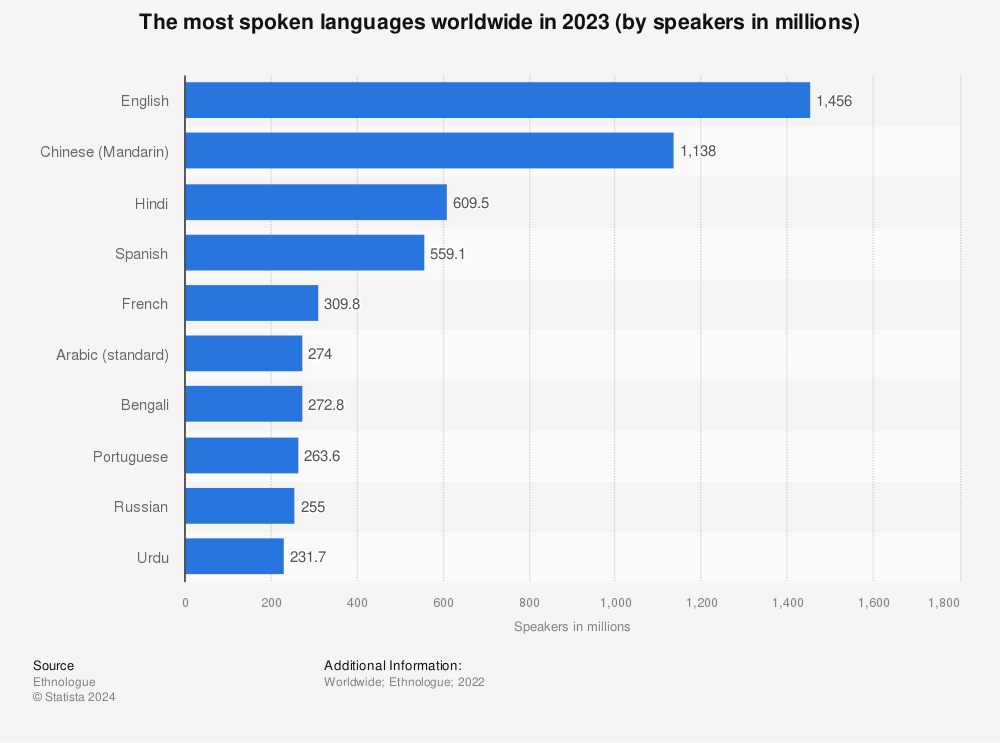
Questo numero comprende circa 380 milioni di madrelingua e 1,077 miliardi di persone che parlano l'inglese come seconda lingua.
Allo stesso tempo, il cinese mandarino è la lingua più popolare per numero di madrelingua.
Esatto, più di 939 milioni di persone parlano il mandarino come prima lingua.
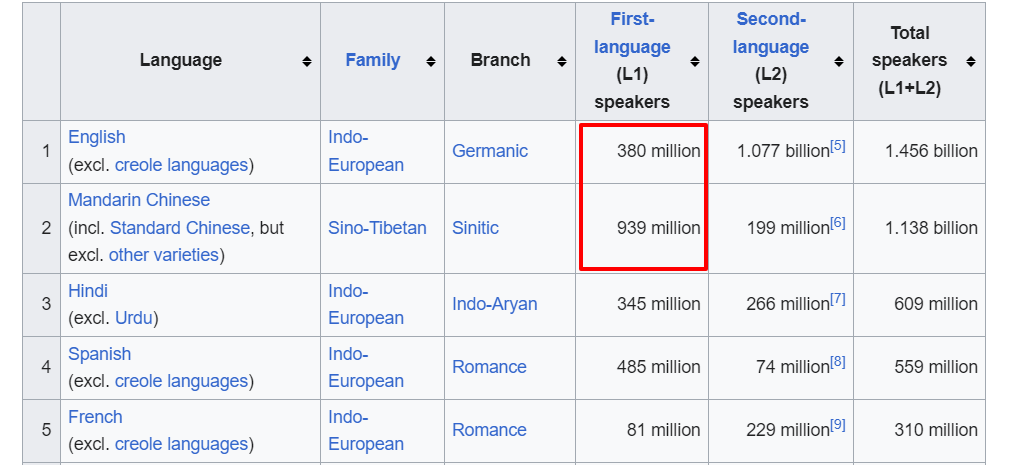
Hindi, spagnolo e Francese prendi la terza, la quarta e la quinta posizione, come visto nella tabella sopra da Wikipedia.
Ecco il punto.
Se hai un sito web in inglese, hai un pubblico probabile di circa 1,456 miliardi di persone.
Se tu traduci il sito web in cinese, quel pubblico cresce di altri 1,138 miliardi di persone.
Traduci il tuo sito web in inglese nelle prime cinque lingue più parlate e il tuo pubblico potenziale salirà a oltre 4,072 miliardi di persone.
Anche se non raggiungerai tutte queste persone, capisci dove voglio arrivare.
Uno dei principali vantaggi della traduzione è raggiungere un pubblico di riferimento più ampio nel loro lingue madri.
E come disse una volta Nelson Mandela:
Se parli a un uomo in una lingua che comprende, ciò arriva alla sua testa. Se gli parli nella sua lingua, ciò arriva al suo cuore.
Di nuovo, credo che tu veda dove voglio andare a parare.
Voglio dire. Vuoi catturare le sfumature e le sottigliezze culturali della lingua di arrivo, tanto più se punti a localizza i tuoi contenuti.
Questi sono solo due dei vantaggi della traduzione. Ne parleremo più avanti nell'articolo.
Dopodiché, condivideremo alcuni consigli utili e uno dei migliori strumenti di traduzione sul mercato.
Con questo preambolo, tuffiamoci subito.
Cos'è la traduzione?
Per molti principianti, la traduzione sembra semplice a prima vista. Prendere del testo e tradurlo in un'altra lingua. È semplice come A, B, C. Vero?
Quanto difficile potrebbe essere? E cosa potrebbe andare storto?
Si scopre che la traduzione è un tantino più impegnativa di quanto immaginassi, e un sacco di cose possono andare storte se non centri il bersaglio.
A un livello fondamentale, la traduzione consiste nel convertire il vostro testo in altre lingue.
Nelle applicazioni del mondo reale, la traduzione comporta la conversione di tutto ciò che è presente sul vostro sito web in altre lingue.
Quando dico tutto, intendo i tuoi:
- Contenuto testuale: questo include testo sul tuo sito web, eBook, PDF, rapporti, infografiche, materiale di marketing, sottotitoli, trascrizioni, link e altro ancora;
- Traduzione immagine – Puoi tradurre immagini di marchi come loghi, foto di prodotti, merchandising e altro materiale di marketing;
- Elementi SEO – Per ottenere i risultati migliori, è consigliabile tradurre meta descrizioni, URL slug, testo alternativo e altri elementi;
- Traduzione multimediale – Impegnati a tradurre i tuoi contenuti audio o video in altre lingue. Ciò comporta la traduzione di podcast, corsi video, quiz interattivi, audiolibri e molto altro;
- Menu di navigazione – È consigliabile tradurre i menu nella lingua di destinazione per garantire un'esperienza utente migliore;
- Commercio elettronico – Dovresti prendere in considerazione Traduzione del tuo negozio WooCommerce per raggiungere un pubblico più ampio, interagire con i clienti e aumentare i tassi di conversione;
- Gergo – Vuoi tradurre in modo accurato le espressioni colloquiali e informali presenti nei tuoi contenuti;
- La tua dashboard di amministrazione – Consenti ad autori, moderatori e altri utenti di diverse origini linguistiche di scegliere le lingue desiderate nella dashboard di amministrazione;
- E altro ancora.
Elementi principali delle traduzioni efficaci
Come potete vedere, la traduzione del vostro sito web va ben oltre i contenuti testuali.
Detto questo, la traduzione di siti web è un processo fattibile che comprende i seguenti elementi.
- Competenza in linguistica – Per ottenere i migliori risultati, è necessaria una conoscenza approfondita delle lingue coinvolte nella traduzione. Ciò vale in particolare se si traduce il proprio sito web autonomamente, anziché affidarsi a un agenzia di traduzioni;
- Precisione della traduzione – Il contenuto tradotto deve mantenere il contesto e il significato del messaggio originale;
- Sensibilità culturale – Come traduttore professionista, dovresti considerare le sfumature culturali e i madrelingua delle lingue coinvolte. Altrimenti, potresti offendere il pubblico di arrivo;
- Comprensione e vocabolario – Per ottenere traduzioni accurate è necessario avere una buona padronanza dei termini, delle frasi e delle espressioni utilizzati nel testo;
- Gli strumenti di traduzione adeguati – Tradurre un sito web è un processo arduo che può fare impazzire chiunque di noi. Per questo motivo, hai bisogno dei migliori strumenti di traduzione su cui tu possa mettere le mani. Questo include sistemi di gestione delle traduzioni (TMS) e strumenti di automazione.
Questi cinque elementi ti torneranno utili sia che tu traduca i contenuti manualmente, sia che utilizzi un software, sia che ti affidi a un traduttore esterno.
Risorsa correlata: Account per traduttori consenti ai traduttori di terze parti di tradurre il sito Web direttamente dal front-end.
Tolto di mezzo questo, passiamo rapidamente in rassegna i vantaggi della traduzione.
Quali sono i benefici della traduzione?

Sebbene tradurre efficacemente un sito web possa essere impegnativo, offre diversi vantaggi che ne fanno valere la pena.
Ecco alcuni dei vantaggi della traduzione da tenere a mente.
1. Portata e accessibilità migliorate
Uno dei principali vantaggi della traduzione è l'espansione del tuo pubblico di riferimento.
Tradurre i contenuti del tuo sito web in più lingue è un modo straordinario per superare le barriere linguistiche. Ciò ti consente di raggiungere un pubblico più ampio, composto da persone che non parlano l'inglese né come lingua madre né come seconda lingua.
Inoltre, la traduzione del vostro sito web in più lingue vi consente di raggiungere utenti che parlano lingue minoritarie. Quando fate questo, accrescete ulteriormente il vostro pubblico potenziale promuovendo al contempo l'inclusività e una base di clienti fedeli.
Allo stesso tempo, la traduzione dei siti web ti consente di rivolgerti a mercati nuovi ed emergenti con contesti linguistici diversi. Offrendo lingue adatte a questi nuovi mercati, potrai affermarti rapidamente in regioni in cui la tua azienda è ancora sconosciuta.
Con contenuti multilingue, la tua attività può attrarre attenzione globale attraverso la condivisione sui social media, il passaparola e la visibilità sui motori di ricerca. Ciò porta a una maggiore consapevolezza e riconoscimento del marchio in tutto il mondo.
In altre parole, la traduzione di siti web consente di rendere i vostri contenuti accessibili a pubblici diversi provenienti da contesti culturali e linguistici differenti. Si tratta di un approccio strategico che amplifica la portata del vostro marchio e dimostra il vostro impegno per l'inclusività e la sensibilità culturale in un'economia globale.
Per esempio, CodeLobster hanno raggiunto un pubblico più ampio a livello internazionale grazie alla traduzione del proprio sito web e dell'IDE PHP in diverse lingue. Inoltre, utilizzano un cambio lingua menu nelle lingue locali, consentendo agli utenti di scegliere facilmente la propria lingua.
2. Migliore reputazione del marchio
Passando al punto precedente, migliorare la reputazione del vostro marchio è un altro vantaggio principale della traduzione.
Quando traduci il tuo sito web in più lingue, puoi soddisfare efficacemente pubblici multilingue e multiculturali.
È proprio questo che intendo.
Tradurre i tuoi contenuti ti offre la straordinaria opportunità di apprezzare la diversità culturale dei visitatori del tuo sito web. Questo è un modo favoloso per dimostrare la tua dedizione all'inclusività, il che si riflette positivamente sull'immagine del tuo marchio.
In secondo luogo, la traduzione di siti web consente di adattare i propri contenuti agli interessi e alle preferenze locali.
In che modo questo contribuisce a migliorare la reputazione del vostro marchio?
È semplice. Quando dimostri di comprendere le usanze locali, i modi di dire e le sfumature culturali, il tuo contenuto entrerà in risonanza con il pubblico di riferimento.
Ciò porta a un maggiore coinvolgimento degli utenti, all'accettazione da parte dei madrelingua e a una migliore reputazione del marchio.
In terzo luogo, parlare al vostro pubblico nella sua lingua madre favorisce un senso di familiarità e fiducia.
Ciò rafforza la credibilità e facilita connessioni più forti e sane tra gli utenti globali e il vostro marchio.
C'è di più...
Tradurre professionalmente il vostro sito web vi permette di evitare fraintendimenti culturali e contenuti offensivi. Questo vi aiuta a salvaguardare la reputazione e l'integrità del vostro marchio in un mercato globale.
Sempre in tema di reputazione del marchio, offrire esperienze utente fluide in diverse lingue rafforza la fedeltà al marchio. Ciò incoraggia le visite ripetute al tuo sito e favorisce lo sviluppo di relazioni a lungo termine con la tua azienda.
Se giochi bene le tue carte, i clienti soddisfatti diventeranno promotori del marchio che pubblicizzeranno la tua attività spontaneamente.
Voglio dire. Clienti multilingui soddisfatti raccomandano i vostri prodotti o servizi ad amici e familiari. Questo amplifica il passaparola e contribuisce alla promozione del marchio, portando a una reputazione migliorata per la vostra azienda.
Infine, la traduzione del sito web ti aiuta a distinguerti dai concorrenti che non hanno adottato una comunicazione multilingue.
Se te lo stai chiedendo, questo è un modo efficace per distinguerti e attirare persone che condividono il tuo messaggio generale.
In che modo ciò migliora la reputazione del tuo marchio?
In primo luogo, ciò vi presenta come un’organizzazione lungimirante e orientata al cliente. In secondo luogo, offrire contenuti multilingue è ormai una pratica standard nel mercato globale odierno.
I clienti si aspettano che il tuo marchio offra un'esperienza utente inclusiva, in grado di influenzare positivamente l'immagine che le persone hanno della tua azienda.
3. Miglioramento dell'esperienza utente
Un altro grande vantaggio della traduzione è il miglioramento dell'esperienza utente sul tuo sito web.
Perché è importante?
Migliorare l'esperienza utente è fondamentale per attirare e fidelizzare il tuo pubblico di riferimento.
Innanzitutto, la traduzione dei tuoi contenuti elimina le barriere linguistiche. Ciò consente a persone di diversa provenienza di comprendere e utilizzare il tuo sito web, indipendentemente dal luogo da cui provengono.
Rispondendo alle esigenze di utenti che parlano lingue diverse, dimostri il tuo impegno a favore dell'accessibilità e dell'usabilità, rendendo così il tuo sito web più accogliente per un pubblico più ampio.
Inoltre, la traduzione del tuo sito web ti permette di offrire esperienze personalizzate ai tuoi utenti. Puoi adattare i tuoi contenuti a gruppi e sottoculture specifici, rispondendo ai loro interessi e contesti culturali distintivi.
In secondo luogo, la traduzione consente di localizzare il proprio sito web. In questo modo, è possibile adattare elementi quali immagini, valute e formati di data alle convenzioni e alle usanze locali. Ciò migliora il coinvolgimento degli utenti e crea un senso di appartenenza tra loro.
Inoltre, è possibile inviare messaggi di marketing nella lingua madre dell'utente, il che si traduce in una maggiore soddisfazione degli utenti e in un aumento delle conversioni.
In terzo luogo, tradurre i vostri contenuti è un modo efficace per aumentare il tempo di permanenza. Questo perché utenti di contesti linguistici diversi trascorrono più tempo a interagire con contenuti in una lingua che comprendono.
Questo, a sua volta, porta a un maggiore coinvolgimento degli utenti e a una maggiore immersione nel tuo sito web.
Inoltre, offrire un'esperienza multilingue senza soluzione di continuità contribuisce a ridurre i tassi di rimbalzo.
Perché?
Gli utenti sono più propensi a trascorrere più tempo sul tuo sito web e a visitare un maggior numero di pagine quando riescono a comprendere facilmente i tuoi contenuti.
4. Miglioramento della SEO e della visibilità
Se sei ancora alle prime armi con il marketing digitale, ottimizzazione per i motori di ricerca (SEO) consiste nell'ottimizzare il tuo sito web e i tuoi contenuti per ottenere un posizionamento migliore nelle pagine dei risultati.
Ma in che modo la traduzione del proprio sito web in più lingue migliora la SEO e la visibilità?
Per cominciare, disponiamo dell'ottimizzazione delle parole chiave multilingue.
Quando traduci il tuo sito web, inizia conducendo una ricerca di parole chiave in diverse lingue. Questo ti consente di individuare parole chiave e frasi pertinenti che i visitatori locali del sito web utilizzano per trovare i tuoi contenuti.
Quindi, ottimizza i tuoi contenuti multilingue con queste parole chiave per ottenere un posizionamento migliore nelle pagine dei risultati dei motori di ricerca (SERP).
In secondo luogo, tradurre i tuoi contenuti in più lingue ti aiuta ad ampliare la tua portata geografica.
Questo ti aiuta a rafforzare la tua presenza sui mercati internazionali. Di conseguenza, un numero maggiore di persone potrà scoprire il tuo sito web e interagire con esso utilizzando query di ricerca localizzate.
Inoltre, puoi ricorrere all'ottimizzazione dei contenuti in base alla localizzazione geografica per adattare i tuoi contenuti a contesti culturali e aree geografiche specifici.
Questo aiuta i motori di ricerca a comprendere la rilevanza dei tuoi contenuti per gli utenti locali, il che si traduce in un posizionamento migliore nei risultati di ricerca specifici per una determinata località.
In terzo luogo, la creazione di contenuti multilingue utili dimostra ai motori di ricerca che il tuo sito web è autorevole e affidabile. Ciò si traduce in una maggiore autorità di dominio e in un posizionamento più elevato nei risultati di ricerca specifici per ciascuna lingua.
Inoltre, ottenere backlink da siti web locali aumenterà la tua autorevolezza e rilevanza nelle ricerche locali, il che si tradurrà in un aumento del traffico organico e in migliori prestazioni SEO.
Allo stesso tempo, ottimizzare meta descrizioni, titoli e tag alt in ciascuna lingua è un modo sicuro per garantire che i tuoi contenuti siano rappresentati accuratamente nei risultati di ricerca locali.
Ciò si traduce in tassi di clic più elevati e maggiore visibilità nelle SERP.
Ma non è tutto…
Offrire i tuoi contenuti in più lingue riduce la frequenza di rimbalzo.
La frequenza di rimbalzo è un importante fattore di posizionamento per Google. Rappresenta la percentuale di persone che abbandonano il tuo sito web immediatamente e senza interagire con altre pagine.
Per i motori di ricerca, una frequenza di rimbalzo altissima indica che le persone non trovano il tuo contenuto utile o che qualcosa sul tuo sito web è rotto.
Di conseguenza, i motori di ricerca ti premiano con posizionamenti inferiori, e viceversa.
Offrire i tuoi contenuti in più lingue incoraggia i visitatori del sito Web a rimanere più a lungo e a esplorare più pagine poiché comprendono le informazioni che presenti.
Questo riduce la frequenza di rimbalzo, il che è decisamente ciò che desideri.
Un'altra cosa.
Tradurre il vostro sito web tenendo conto della pertinenza contestuale vi consente di catturare un'ampia gamma di intenti degli utenti.
Questo ti consente di ottimizzare i tuoi contenuti multilingue per le parole chiave long-tail e le query di ricerca specifiche per nicchia.
Dovresti anche monitorare le tendenze culturali nelle diverse regioni. Questo ti consente di allineare i tuoi contenuti alle ricerche locali, in modo che il tuo sito web rimanga rilevante e competitivo in termini di SEO.
Ultimo ma non meno importante, il monitoraggio delle prestazioni dei vostri sforzi di SEO multilingue fornisce dati preziosi sui posizionamenti delle parole chiave, sul coinvolgimento degli utenti e sui tassi di conversione.
Puoi utilizzare questi dati per la pianificazione strategica e per migliorare le tue future campagne SEO multilingue.
Per fare un esempio veloce, il famoso esperto di marketing online Neil Patel ha aumentato il suo traffico del 47% e il numero di nuovi utenti del 60% dopo traducendo il suo sito web in 82 lingue!
5. Aumento delle conversioni e dei ricavi
Un altro vantaggio entusiasmante della traduzione è l'aumento dei tassi di conversione e delle entrate.
Dico eccitante perché a chi non piace fare più soldi? Dopotutto, i ricavi sono l'obiettivo principale e la linfa vitale di qualsiasi azienda.
Quindi, in che modo la traduzione del tuo sito web in più lingue aumenta le conversioni e le entrate?
Iniziamo con le conversioni.
Si verifica una conversione ogni volta che un utente compie un'azione desiderata sul tuo sito web.
Questo potrebbe essere:
- Prendere il telefono per chiamarti;
- Compilazione di un modulo di contatto;
- Scaricamento di un file;
- Iscrizione alla vostra newsletter;
- Cliccare sui link di affiliazione;
- E l'acquisto di un prodotto, tra le altre cose.
Registrare alti tassi di conversione sul vostro sito web significa che state facendo le cose nel modo giusto.
Un tasso di conversione basso è esattamente il contrario.
In che modo la traduzione di un sito web aumenta le conversioni?
Parlare al vostro pubblico eterogeneo in una lingua che comprende favorisce la fiducia e la sicurezza nel vostro marchio. Questo elimina le esitazioni che altrimenti impedirebbero ai visitatori del sito web di convertirsi.
Inoltre, i contenuti multilingue eliminano le barriere linguistiche, consentendo agli utenti di interagire con il vostro sito web in modo significativo.
In aggiunta a ciò, offrire traduzioni mostra ai clienti internazionali che la vostra azienda apprezza la loro lingua e cultura.
Questo spinge gli utenti a percepire il vostro marchio come più affidabile e professionale rispetto ai concorrenti. Di conseguenza, è più probabile che i clienti si convertano.
Inoltre, clienti internazionali felici condividono recensioni positive con gli altri, influenzando le decisioni di acquisto e incrementando le conversioni.
E in che modo la traduzione di un sito web aumenta il fatturato?
Più conversioni di solito portano a maggiori entrate in un modo o nell'altro.
Ecco una spiegazione dettagliata.
Innanzitutto, la traduzione dei tuoi contenuti in più lingue rende il processo di acquisto più semplice.
In altre parole, un'esperienza di acquisto multilingue senza interruzioni riduce gli ostacoli, portando a un maggior numero di conversioni e vendite.
In secondo luogo, la traduzione di siti web include l'integrazione di valute locali e opzioni di pagamento.
Ciò facilita transazioni senza intoppi poiché gli acquirenti sono più sicuri nell'utilizzare gateway di pagamento familiari.
In terzo luogo, la traduzione del vostro sito web include contenuti fondamentali come le spedizioni, i Termini di Servizio (ToS) e le politiche di reso.
Pertanto, i clienti di tutto il mondo comprendono chiaramente i termini relativi ai loro ordini.
Ciò elimina l'esitazione e l'incertezza e aumenta la trasparenza. Alla fine, si ottengono più conversioni e vendite e meno resi.
Alcuni esempi calzanti sarebbero Apple.com e Ricerca Google (149 lingue).
6. Efficacia in termini di costi ed efficienza
Un altro notevole vantaggio della traduzione è che il processo è conveniente ed efficiente.
Per cominciare, non è necessario creare nuovi contenuti, il che, come tutti sappiamo, è un'operazione costosa. Tutto quello che devi fare è tradurre gli stessi contenuti in lingue diverse e goderti il risparmio sui costi.
Risparmio sui costi, dici?
Esatto. La traduzione di siti web è spesso un modo più economico e scalabile per raggiungere un pubblico globale rispetto ai metodi tradizionali, inclusi annunci PPC, email marketing, TV e pubblicità sulla stampa.
Allo stesso modo, coinvolgere e fidelizzare gli utenti esistenti con le traduzioni è spesso più conveniente rispetto ai metodi tradizionali.
Questo, unito ai contenuti multilingue, offre rendimenti più elevati a lungo termine.
Inoltre, investire nella traduzione di siti web è una strategia di crescita sostenibile per creare una presenza in nuovi mercati.
È anche un modo favoloso per diversificare i tuoi flussi di entrate (nei nuovi mercati) e ridurre l'eccessiva dipendenza da costose tecniche promozionali una tantum. L'altro vantaggio della traduzione è l'efficienza, grazie ai progressi tecnologici.
Questo lo dico perché, senza gli strumenti giusti, tradurre contenuti può essere un'impresa ardua.
Ad esempio, i sistemi di gestione delle traduzioni ti aiutano ad automatizzare e centralizzare il tuo flusso di lavoro di traduzione. Questo riduce al minimo lo sforzo manuale e gli errori. Inoltre, semplifica la collaborazione tra i redattori, project manager, e traduttori.
Inoltre, non dimenticare i vantaggi della traduzione automatica e dell'intelligenza artificiale (IA).
Sebbene le traduzioni automatiche e l'intelligenza artificiale possano perdere il contesto culturale e altre sottigliezze di lingue diverse, queste tecnologie sono preziose.
Per esempio...
TranslatePress è uno strumento eccezionale che accelera il processo di traduzione, consentendovi di tradurre enormi quantità di contenuti in modo rapido ed efficiente senza comprometterne la qualità e la precisione.
Il suo funzioni avanzate rendila una soluzione economica per aziende e privati che richiedono traduzioni accurate. Questo strumento ti permette di godere di tutti i vantaggi della traduzione senza alcuno sforzo da parte tua.
Inoltre, strumenti come TranslatePress salvano tutte le tue traduzioni in un database terminologico, eliminando così le traduzioni ripetitive che richiedono molto tempo.
Il salvataggio delle traduzioni garantisce anche coerenza e coerenza tra le traduzioni. Tutti questi fattori contribuiscono all'efficienza della traduzione.
Oltre a una maggiore efficienza, un altro vantaggio della traduzione è la misurazione del ritorno sull'investimento (ROI).
Il monitoraggio degli indicatori chiave di prestazione (KPI), come il valore della vita del cliente, i tassi di conversione, il traffico e i ricavi, aiuta a misurare il ROI della traduzione del sito web.
Questo può aiutarti a decidere se tradurre il tuo sito web in più lingue vale il tuo tempo e il tuo denaro.
In altre parole, è semplice misurare l'impatto della traduzione del sito web sui ricavi.
Questo può aiutarvi a prendere decisioni informate per allocare le vostre risorse di conseguenza.
7. Rispetto dei requisiti legali
Sconosciute a molti, ci sono diverse leggi che regolano la traduzione.
Esatto, la traduzione va oltre la semplice conversione di contenuti in altre lingue. In alcuni paesi, regioni e settori, la legge impone ai proprietari di siti web di fornire traduzioni accurate agli utenti.
La traduzione del vostro sito web in altre lingue è un altro vantaggio della traduzione perché aiuta la vostra azienda a evitare ripercussioni come sanzioni e multe.
Per esempio, negli Stati Uniti, è necessario conformarsi alle disposizioni stabilite nelle seguenti leggi sull'accesso linguistico:
- Titolo VI del Civil Rights Act del 1964;
- Ordine Esecutivo 13166;
- Legge sugli Americani con Disabilità (ADA);
- Voting Rights Act del 1965;
- Affordable Care Act.
Nell'Unione Europea (UE), devi rispettare le seguenti leggi:
- Direttiva Macchine dell'UE 2006/42/CE;
- GDPR.
In Canada, abbiamo il Disegno di legge 96.
Questi sono solo alcuni esempi. Rivolgiti al tuo avvocato per assicurarti di non violare la legge ignorando gli utenti che non parlano inglese.
Lasciando da parte i benefici della traduzione, come si traduce il proprio sito web come un professionista?
I vantaggi della traduzione: un caso a favore di TranslatePress
Sebbene la traduzione offra molti vantaggi, è un osso duro da rodere, soprattutto se è la prima volta.
Questo è esattamente il motivo per cui ti serve un solido plugin di traduzione come TranslatePress.
Lo strumento viene fornito con una suite di funzionalità impressionanti che rendono la traduzione del vostro sito web un gioco da ragazzi.
Se hai poco tempo a disposizione, ti farà piacere sapere che TranslatePress supporta le traduzioni automatiche tramite Google Traduttore e DeepL.
Lavori all'interno di un editor di traduzione visiva che rende incredibilmente facile la messa a punto delle tue traduzioni (per quanto complesse siano).
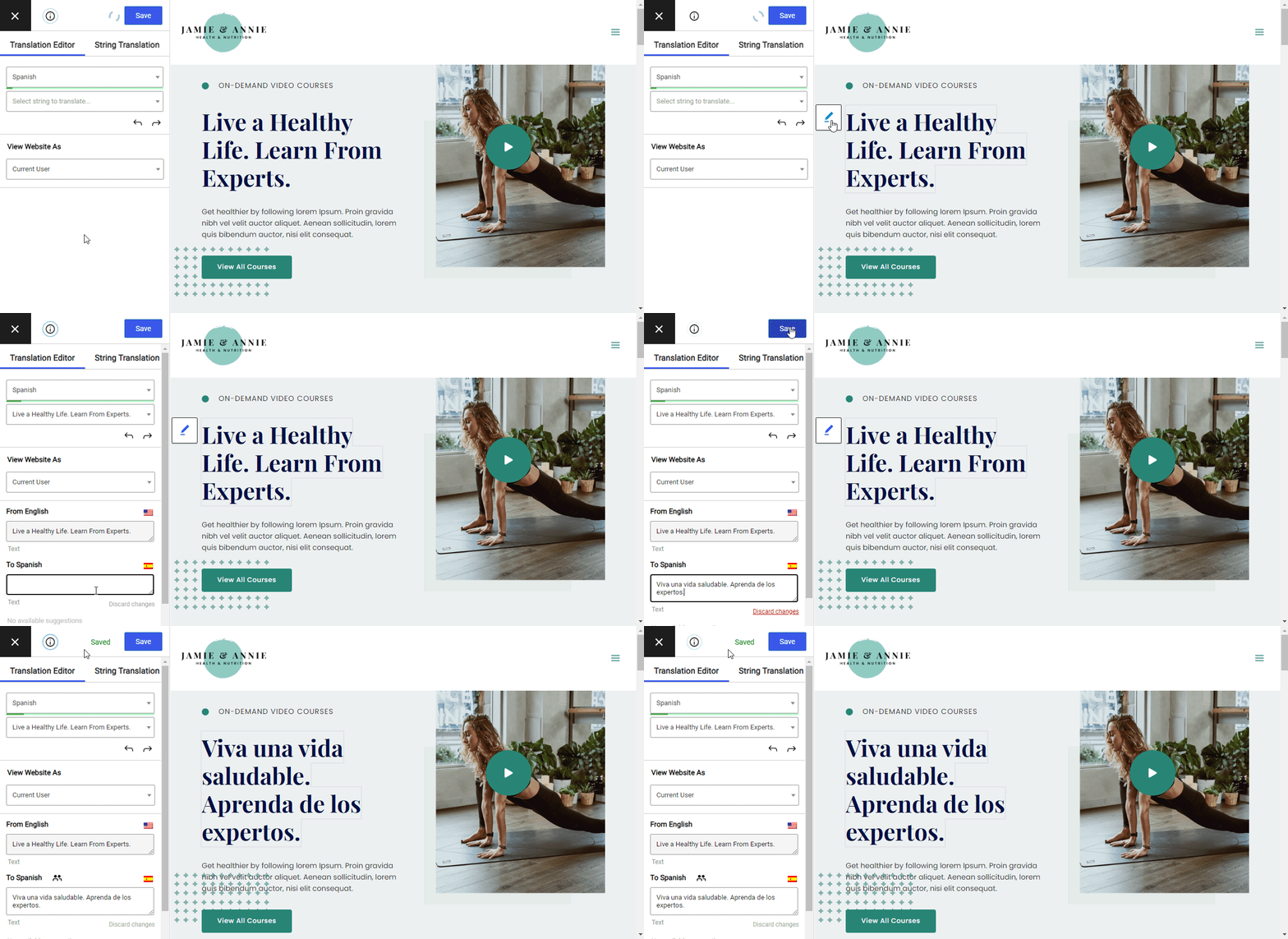
Il plugin vanta anche diverse opzioni interessanti, come evidenziato in questo Pagina delle caratteristiche di TranslatePress.
Cosa c'è di ancora meglio? Ne hai completamente versione gratuita che ti permette di tradurre il tuo sito web come un capo.
Per una maggiore potenza, non esitate a puntare sul versione a pagamento.
TranslatePress Multilingue
Vantaggi della traduzione: Considerazioni finali
In questo articolo, abbiamo trattato sette vantaggi della traduzione in modo molto dettagliato.
Spero che ora possiate decidere se tradurre il vostro sito web valga il vostro tempo o denaro.
In sintesi, i vantaggi della traduzione includono una maggiore portata, una migliore immagine del marchio, una SEO migliorata e un aumento dei ricavi, tra gli altri.
Sei a conoscenza di altri vantaggi della traduzione? Qual è stato il tuo insegnamento principale oggi? Abbiamo tralasciato qualcosa?
Condividi i tuoi pensieri e suggerimenti nella sezione dei commenti qui sotto.
Buona traduzione, amico!