
In questo post
La tecnologia di traduzione ha subito una svolta epocale nel 2025. Ad esempio, la traduzione automatica è passata dall'essere una tecnologia emergente e utile a diventare un elemento fondamentale dell'infrastruttura multilingue. Per voi proprietari di siti WordPress, la questione non è più se utilizzare la traduzione automatica dei siti web, ma come implementarla efficacemente. C'è anche la traduzione automatica neurale con cui fare i conti, che è semplicemente il modo in cui i modelli di IA traducono tra le lingue.
Ti guiderò attraverso i principali sviluppi nella traduzione automatica mentre ci addentriamo nel 2026. Tuttavia, per farlo, dobbiamo guardare indietro ai cambiamenti del 2025 e scoprire quale ‘effetto farfalla’ questo abbia sul 2026.
Come gli sviluppi multilingui del 2025 hanno preparato il terreno per i progressi nel 2026
Il mercato dei servizi linguistici è valutato in miliardi e continua a crescere. Il motivo non è tanto l'espansione del mercato, quanto il fatto che un numero maggiore di aziende sta integrando la traduzione automatica nei propri flussi di lavoro, dato che la qualità è migliorata. Di conseguenza, i principali attori stanno sviluppando servizi più ricchi.
Per esempio, Google ha annunciato due importanti Aggiornamenti basati su Gemini a Google Translate nell'agosto 2025: un'opzione di traduzione dal vivo per conversazioni in tempo reale e funzionalità di pratica linguistica per l'apprendimento delle lingue.
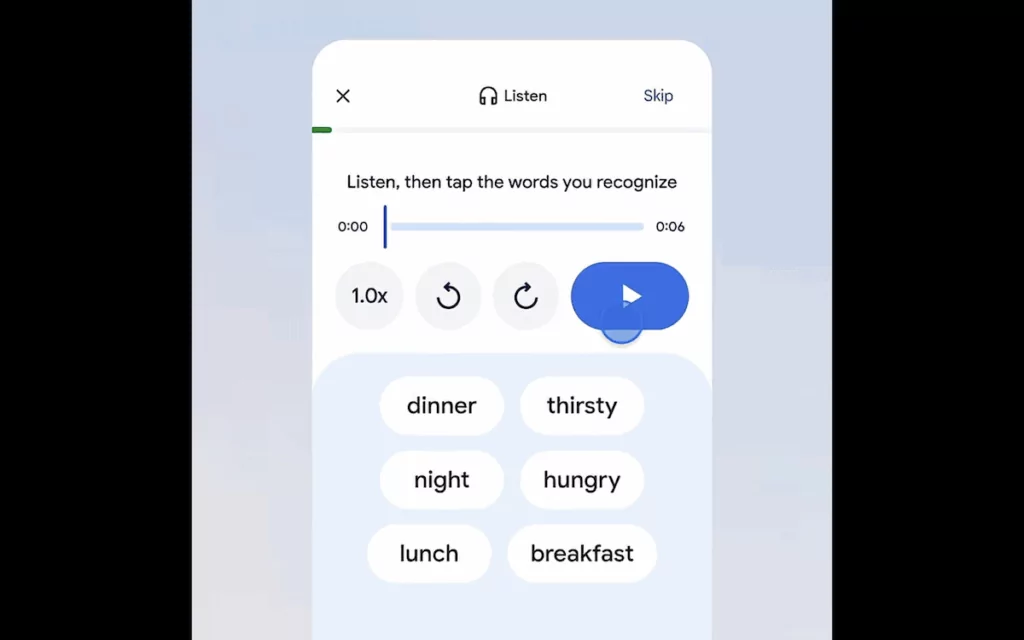
Le funzionalità di traduzione dal vivo ti consentono di avere conversazioni bidirezionali in tempo reale con traduzioni audio e su schermo in più di 70 lingue. È progettato per funzionare in ambienti rumorosi del mondo reale utilizzando modelli avanzati di riconoscimento vocale e della parola addestrati per isolare i suoni.
Il sistema identifica intelligentemente le pause conversazionali, gli accenti e le intonazioni per darti di più conversazioni dal suono naturale. Inoltre, passa da una lingua all'altra senza che tu debba intervenire.
Anche DeepL ha fatto diversi annunci nel corso del 2025. Ad esempio, l'API è stata ampliata con un modello linguistico di nuova generazione e DeepL API per la scrittura. I numeri di DeepL sembrano impressionanti, sebbene ci siano stati anche altri sviluppi.
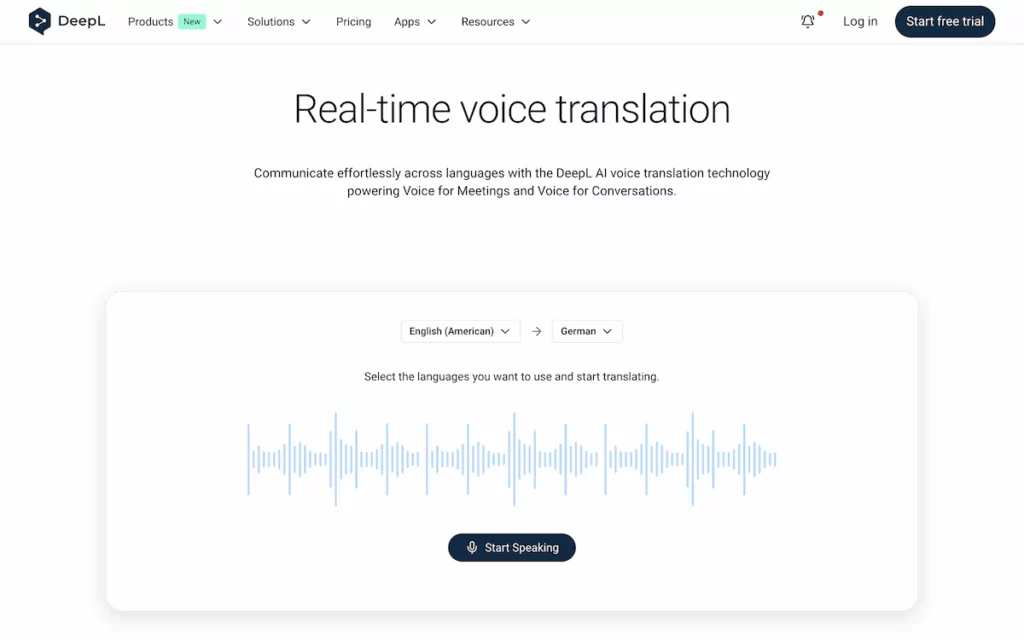
Per esempio, ci sono nuovi aggiornamenti per la soluzione di traduzione vocale in tempo reale, Voce DeepL. Questo include un supporto linguistico ampliato per il cinese mandarino, l'ucraino e il rumeno, insieme a funzionalità di produttività per le riunioni migliorate, come trascrizioni complete e traduzioni dalle riunioni. Ora è presente anche un'integrazione con Zoom che si affianca a Microsoft Teams.
Cosa offrono i fornitori di traduzioni per il 2026
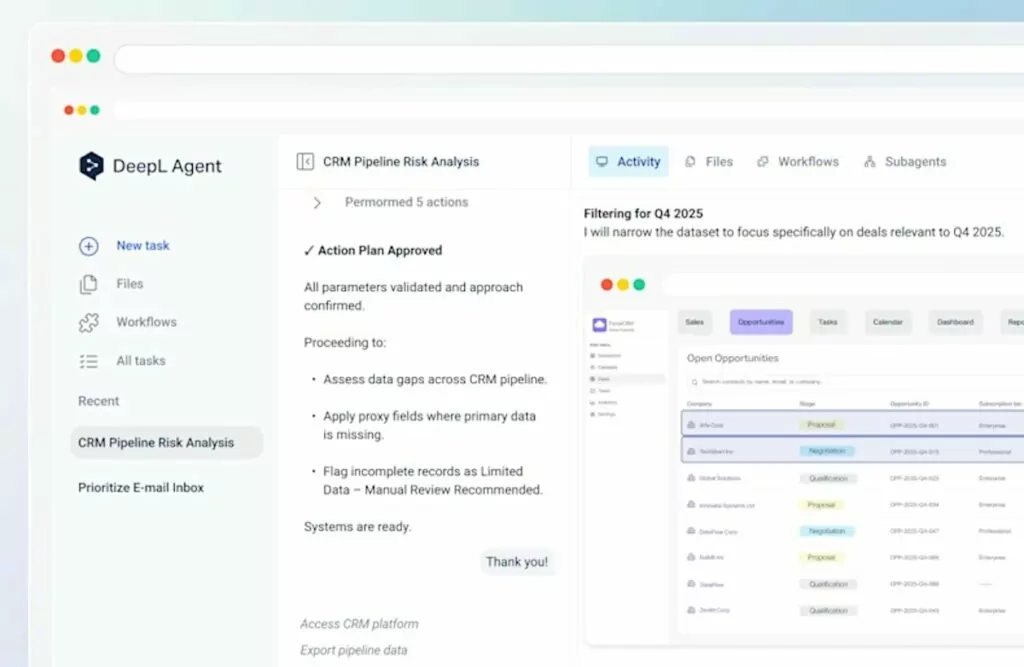
Quindi, il 2025 ha fatto dei passi da gigante, ma gli stessi fornitori stanno continuando a progredire anche nel 2026. Per prima cosa, DeepL ha annunciato il suo DeepL Agent e Customization Hub:
- Agente DeepL. Questo è un collega IA autonomo che semplifica e automatizza le attività. Agente DeepL può lavorare come agente di vendita con l'autonomia di cercare potenziali clienti, redigere messaggi di contatto personalizzati e programmare i follow-up. Per il servizio clienti, può risolvere problemi, elaborare cambi e verificare l'inventario senza richiedere l'intervento umano.
- Centro di personalizzazione. Questa è una piattaforma che combina glossari, regole di stile e memorie di traduzione in un unico sistema. Centro di personalizzazione si basa sulla qualità linguistica contestuale di DeepL imponendo automaticamente i requisiti linguistici durante il processo di traduzione.
Tutti questi aggiornamenti arrivano insieme a un'espansione a ora oltre 100 lingue supportate.
Infatti, DeepL ha lanciato la sua API vocale a febbraio 2026. Questo consente agli sviluppatori di integrare funzionalità di trascrizione vocale in tempo reale e traduzione automatica neurale nelle loro app. DeepL ha affermato che i primi utilizzatori sono aziende che hanno la necessità di comprendere i problemi dei clienti anche quando non parlano la stessa lingua.
Per quanto riguarda Google, ha rilasciato un aggiornamento significativo alla versione Google Translate alla fine del 2025, che utilizza Gemini per combinare una migliore qualità della traduzione automatica neurale, il riconoscimento vocale in tempo reale e l'espansione linguistica. In sintesi, Gemini può aiutare Google Translate a fornire traduzioni più naturali, in grado di cogliere meglio le sfumature piuttosto che limitarsi a conversioni letterali parola per parola.
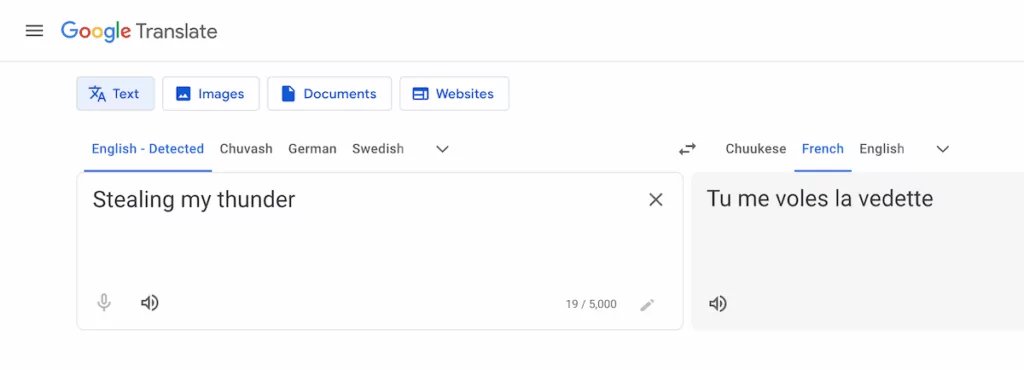
Inoltre, basandosi sul suo annuncio di traduzione dal vivo, Google ha anche un'esperienza beta per traduzione vocale in tempo reale tramite le cuffie (sfruttando ancora una volta le funzionalità native di Gemini). L'idea è quella di preservare il tono, l'enfasi e la cadenza di ciascun oratore per creare traduzioni più naturali in tempo reale.
A cosa sta lavorando Microsoft e perché la traduzione consensuale è lo sviluppo più entusiasmante del 2026
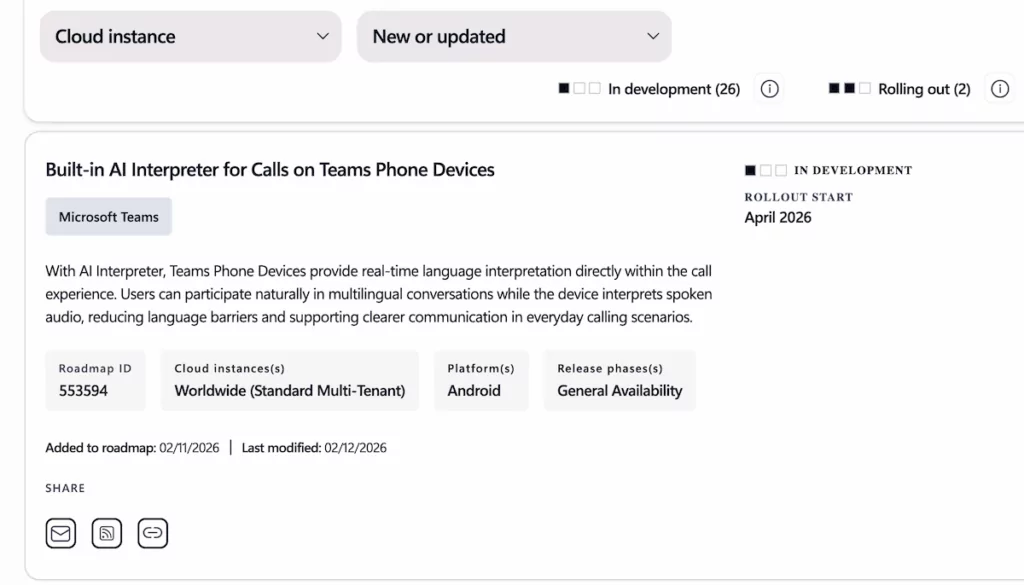
Tuttavia, non sono solo DeepL e Google a portare innovazioni e progressi. Microsoft continua a integrare le capacità di traduzione in tutto il suo ecosistema anziché commercializzare prodotti autonomi. Per esempio, la roadmap di Microsoft 365 per il 2026 include funzionalità multilingue per Teams che integra la traduzione automatica neurale.
Lontano da fornitori specifici, traduzione IA basata sul consenso potrebbe essere l'area chiave da monitorare. Questo approccio sfrutta contemporaneamente più motori di intelligenza artificiale indipendenti per ridurre gli errori di traduzione.
La grande domanda sull'IA e sugli LLM è: Come ci si può fidare delle traduzioni quando un singolo motore potrebbe inventare dettagli, tralasciare parole critiche o appiattire qualsiasi sfumatura cruciale? Tuttavia, quando tre o quattro sistemi indipendenti producono traduzioni simili, la fiducia in quel risultato dovrebbe aumentare (in teoria). Dove divergono, il sistema segnala quelle sezioni per la revisione umana.
Per un sito web WordPress, questo significa che puoi automatizzare una maggiore quantità di contenuti con sicurezza. Con una maggiore affidabilità grazie alla traduzione basata sul consenso e all'evoluzione di prodotti e strumenti, questo dovrebbe essere il momento in cui il tuo sito diventa internazionale.
Perché il 2026 è l'anno in cui investire in capacità multilingue
Data la crescita dei mercati linguistici in generale, e considerato che i soli plugin di traduzione per WordPress servono milioni di installazioni attive, è facile capire quanto diventare multilingue sarà vantaggioso. L'e-commerce in particolare ha solido tasso di conversione, e Gli acquisti da desktop stanno convertendo meglio rispetto al mobile in questo momento, nonostante la disparità di traffico.
Ciò significa che i siti che diventano multilingue in anticipo (ad esempio. orapotrebbe garantire fino a un anno di perfezionamento della memoria di traduzione e indicizzazione sui motori di ricerca prima dei principali periodi di shopping dell'ultimo trimestre dell'anno. È un vantaggio iniziale che si rivelerà utile man mano che la qualità delle traduzioni migliora, gli strumenti diventano più maturi e il posizionamento della ricerca multilingue si rafforza.
Inoltre, DeepL prevede che L'IA agentica diventerà più comune entro la fine del 2026 – e questo va oltre il testo, con un Traduttore video IA ora rendendo possibile la localizzazione di contenuti video in oltre 130 lingue alla stessa velocità della traduzione di siti web.”
Come bilanciare automazione ed esperienza nel 2026
La questione centrale per il 2026 non è se usare la traduzione automatica neurale, ma come bilanciare questa automazione con l'esperienza umana. Come sempre in queste situazioni, la risposta dipende dal tipo di contenuto, dai requisiti di qualità e dalle risorse disponibili.
I flussi di lavoro ibridi probabilmente offriranno ancora il migliore ritorno sull'investimento. L'approccio che funzionerà per la maggior parte dei siti WordPress combina la traduzione automatica con un perfezionamento umano selettivo:
- Usa traduzione automatica per creare rapidamente versioni multilingue complete del vostro sito. Questo vi offre una presenza immediata sul mercato e vi permette di validare l'interesse prima di perfezionare i contenuti.
- Identifica pagine ad alto valore come le pagine dei prodotti principali, il flusso di pagamento e le pagine di atterraggio chiave per una revisione umana. Queste pagine richiedono i vostri standard di qualità più elevati a causa dell'impatto che hanno sulle conversioni.
- Esegui controlli a campione su qualsiasi contenuto rimanente esaminando un campione delle tue pagine per individuare eventuali problemi.
Questo approccio consente di andare online rapidamente mantenendo alta la qualità dove conta di più. In questo modo, evitate la paralisi di dover aspettare di potervi permettere una traduzione interamente umana per qualsiasi cosa, evitando al contempo il rischio di pubblicare traduzioni automatiche senza alcun controllo di qualità.
Per la documentazione tecnica, i contenuti legali o le specifiche di prodotto, la posta in gioco è più alta. La traduzione automatica può comunque creare responsabilità o problemi introducendo errori critici. Per voi, questo significa che è necessario un investimento maggiore nella traduzione umana. Come minimo, potrebbe lavorare con una revisione umana approfondita dell'output.
Il futuro di WordPress nella traduzione per il 2026
Mentre il nucleo di WordPress continua la sua graduale evoluzione verso funzionalità multilingue native a lungo termine, la realtà nel 2026 è chiara: i siti Web WordPress multilingue sono alimentati da plugin, e questa non è una soluzione temporanea, ma lo standard.
I plugin multilingue stanno facendo molto più che “colmare una lacuna”. Sono l'infrastruttura che consente alle aziende di tradurre interi siti web, gestire la SEO localizzata, occuparsi dei metadati, tradurre stringhe in modo dinamico e combinare la traduzione automatica neurale con flussi di lavoro di revisione umana.
Fondamentalmente, gli sviluppatori di plugin non stanno aspettando gli aggiornamenti del core. Stanno integrando attivamente motori di traduzione automatica neurale, sistemi di stima della qualità basati sull'intelligenza artificiale, sistemi di memoria di traduzione e funzionalità di automazione che consentono ai proprietari di siti di lanciare e scalare siti web multilingue oggi stesso.
Inoltre, i plugin di traduzione dispongono già di funzionalità complesse come account di traduzione dedicati, configurazioni con dominio diverso per lingua, rilevamento automatico della lingua dell'utente, e così via. Questo tipo di configurazione multilingue avanzata non farà mai parte nativa di WordPress.
Quindi, se state pianificando per il 2026 e oltre, la strada è già tracciata: i plugin multilingua per WordPress non sono una soluzione temporanea, ma le fondamenta per costruire, ottimizzare e far crescere siti web WordPress veramente globali.
TranslatePress si occupa già di traduzione automatica neurale
TranslatePress Consente già di tradurre direttamente dal front-end e si integra con le API di Google Translate, DeepL e Microsoft Translator. Ciò significa che è possibile sfruttare i nuovi miglioramenti offerti da Gemini, la copertura linguistica ampliata di DeepL e una serie di nuove funzionalità, oltre a trarre vantaggio da qualsiasi novità dei servizi di traduzione di Microsoft.
TranslatePress Multilingue
L'IA "TranslatePress" è un approccio moderno e accurato alla traduzione neurale istantanea. Sceglie il tuo motore di traduzione in base ai tuoi requisiti interni. Per esempio:
- Google fornirà un'ampia copertura linguistica per la maggior parte dei vostri contenuti.
- Per una maggiore qualità in tutte le lingue supportate, DeepL offrirà una precisione superiore grazie al proprio motore di traduzione automatica neurale addestrato specificamente per i contenuti aziendali.
Il tuo memoria di traduzione sarà fondamentale indipendentemente dalla tua strategia. Memorizza ogni stringa che traduci e la riutilizza quando la stessa frase compare altrove sul tuo sito. Questo migliora la qualità della traduzione nel tempo man mano che perfezioni frasi chiave e termini tecnici.
Di conseguenza, il vostro sito viene tradotto progressivamente meglio senza alcuno sforzo continuo man mano che la memoria di traduzione cresce. Inoltre, è un ottimo compagno per la traduzione basata sul consenso, poiché vi aiuta a mantenere la coerenza in tutti i vostri contenuti multilingue.
Altre funzionalità offerte da TranslatePress per il tuo sito
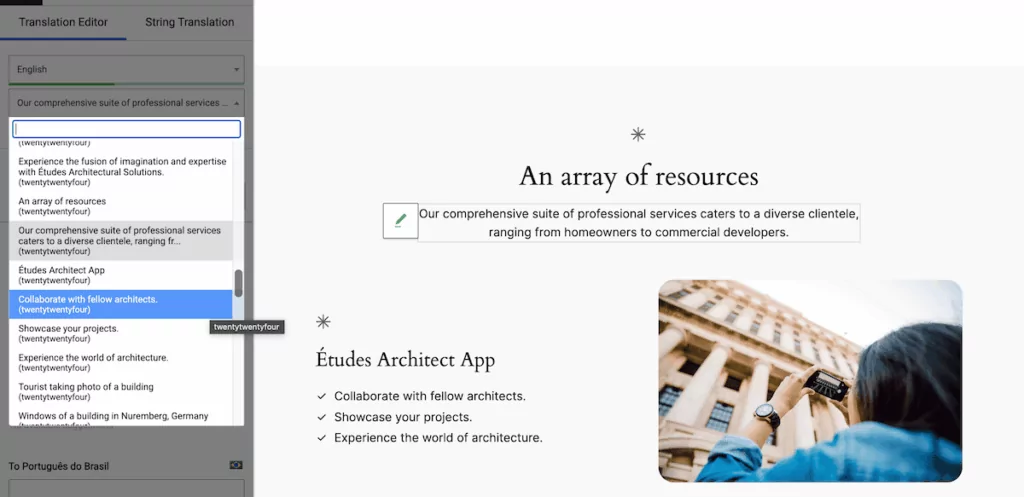
Naturalmente, la confezione di TranslatePress contiene molto altro ancora:
- Il Editor di traduzione visiva ti consente di modificare i contenuti nel frontend del tuo sito, indipendentemente dalla lingua, vedendo esattamente come appaiono ai visitatori. Come minimo, questo flusso di lavoro eliminerà la frustrante disconnessione tra la modifica delle traduzioni all'interno di WordPress e la verifica dei risultati sulle pagine pubblicate. Oltre a ciò, l'anteprima in tempo reale si adatterà al tuo flusso di lavoro ibrido.
- Il Componente aggiuntivo pacchetto SEO è il modo in cui TranslatePress gestisce automaticamente i requisiti tecnici multilingue. Ad esempio, hreflang I tag vengono aggiunti correttamente per ogni combinazione di pagina e lingua. Inoltre, sitemap multilingue generare automaticamente e le strutture degli URL seguono le migliori pratiche per la SEO internazionale senza richiedere una configurazione manuale.
Infine, per i negozi WooCommerce, TranslatePress traduce le descrizioni dei prodotti, attributi, categorie e tutto il testo dinamico che appare durante l'esperienza di acquisto dell'utente. Il plugin traduce tutte le varianti del prodotto comprese le opzioni di dimensione, colore e configurazione.
La traduzione della procedura di checkout copre ogni fase del processo di acquisto: messaggi nel carrello, informazioni di pagamento, e-mail di conferma e altro ancora. Pertanto, indipendentemente da quale direzione prenderà la traduzione automatica dei siti web nel 2026 e oltre, TranslatePress potrà essere al centro della vostra strategia multilingue.
Preparare il tuo sito al successo multilingue nel 2026 con TranslatePress
I progressi nella traduzione automatica dei siti web e nella traduzione automatica nel corso del 2025 e del 2026 renderanno i siti multilingue più accessibili ed efficaci che mai. Nuovi approcci come la traduzione basata sul consenso offrono una quasi garanzia di affidabilità che un sistema a motore singolo farebbe fatica a offrire. Questo potrebbe rappresentare un grande miglioramento nel modo in cui ci fidiamo dell'output della traduzione automatica per i contenuti critici per il business.
TranslatePress consente al tuo sito WordPress di beneficiare di tutti questi progressi grazie all'integrazione con le principali API di traduzione, fornendo strumenti di editing visivo e gestendo automaticamente i requisiti tecnici di SEO.
TranslatePress Multilingue
Quali aspetti della traduzione automatica di siti web nel 2026 ti interessano di più per il tuo sito multilingue? Condividi le tue opinioni con me nella sezione commenti qui sotto!